7 Special Steps to Prepare a Specialized Carnivore Soil Mix
Carnivorous plants defy the conventions of traditional horticulture. Their roots evolved in nutrient-poor wetlands where nitrogen is scarce and organic matter accumulates in acidic, waterlogged conditions. Learning how to prepare a specialized carnivore soil mix means abandoning fertilizer-enriched potting media entirely. The substrate must replicate bog chemistry: a pH between 3.5 and 5.0, negligible mineral salts, and exceptional moisture retention paired with adequate aeration. Standard potting soil will kill pitcher plants, sundews, and Venus flytraps within weeks.
Materials
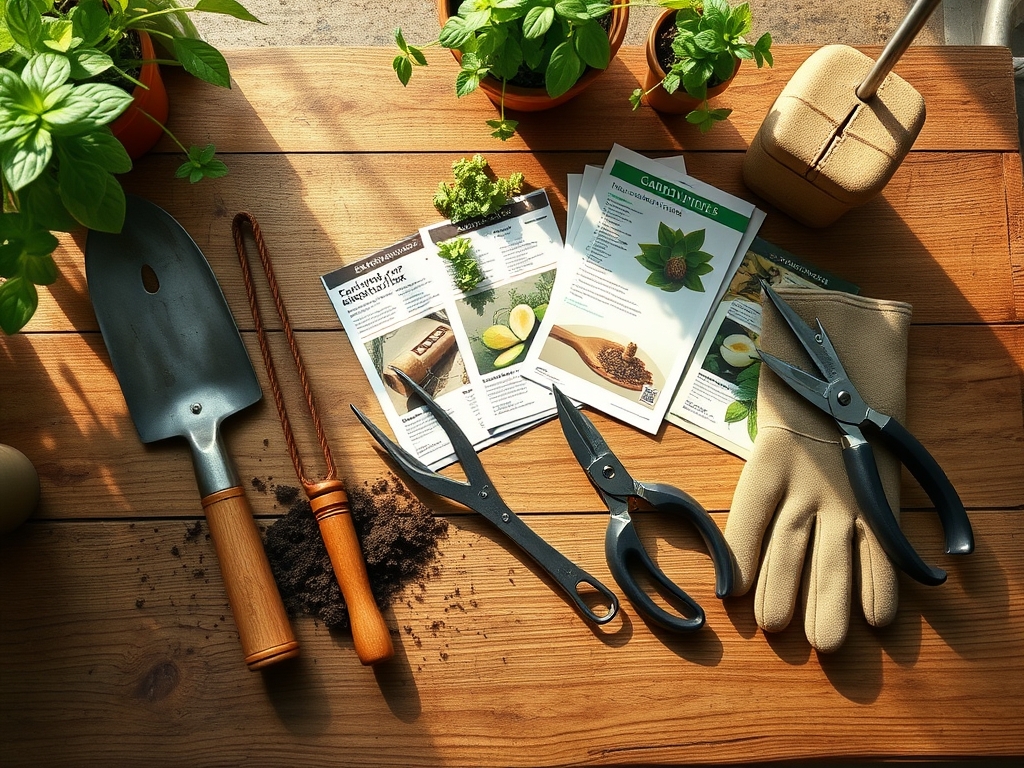
Select materials based on their cation exchange capacity (CEC) and pH contribution. Carnivorous plants require media with minimal buffering capacity and zero fertilizer.
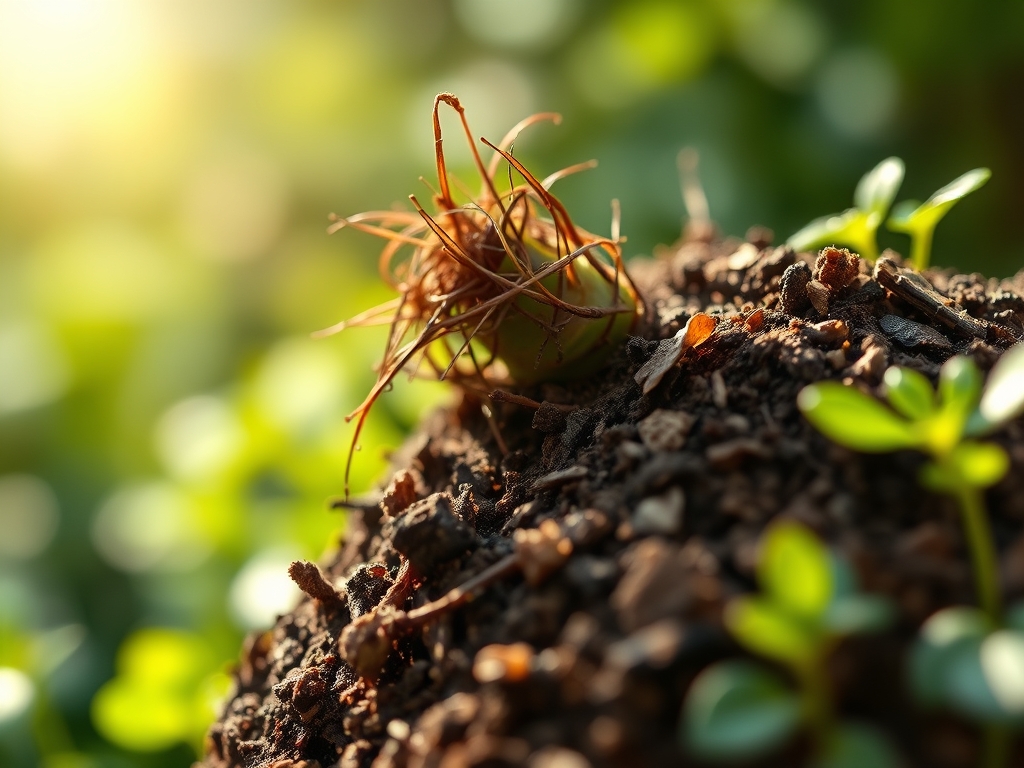
Sphagnum peat moss (pH 3.5–4.5): The foundation. Use only long-fibered, blonde Canadian or Baltic peat. Avoid sedge peat or black peat, which contain decomposed material and elevated mineral content. NPK effectively 0-0-0.
Perlite (pH 7.0–7.5): Horticultural grade only. Agricultural perlite may contain fluoride salts toxic to carnivores. Rinse until water runs clear. Use coarse grade (particle size 3–6 mm) for optimal drainage. No nutritional value.
Silica sand (pH neutral): Washed sharp sand or horticultural quartz sand. Never use beach sand, which harbors salt, or play sand treated with anti-clumping agents. Grain size 0.5–2 mm. NPK 0-0-0.
Live sphagnum moss (pH 3.0–4.0): Optional top-dressing. Continues to grow and acidify the substrate. Harvest sustainably or purchase laboratory-cultured strands. Living tissue produces antimicrobial compounds that suppress damping-off fungi.
Distilled or reverse-osmosis water: Total dissolved solids (TDS) below 50 ppm. Tap water contains chlorine, chloramines, and dissolved minerals that accumulate as toxic salts.
Avoid materials marketed for orchids, including bark, charcoal, and coconut coir. These retain fertilizer residues and raise pH over time.
Timing
Prepare carnivore soil mix two weeks before transplanting. Fresh peat releases tannins and organic acids that benefit establishment. If mixing in late autumn, store sealed containers indoors through winter.
In USDA Hardiness Zones 6–9, transplant outdoor bog gardens after the last spring frost when night temperatures remain above 45°F. Tropical species (Nepenthes, Heliamphora) require year-round temperatures above 60°F.
For dormancy-dependent species like Sarracenia and Dionaea, pot divisions during late winter (February–March) before active growth resumes. Cold stratification aligns with natural phenology and reduces transplant shock.
Phases
Mixing Phase
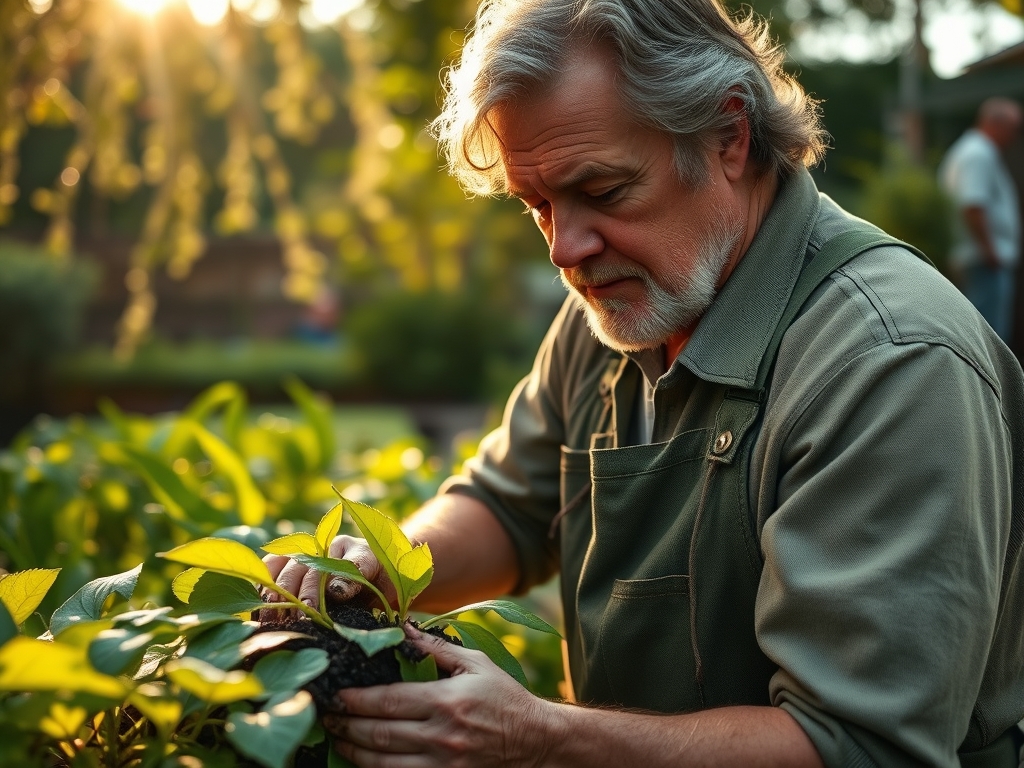
Combine 5 parts sphagnum peat, 3 parts perlite, and 2 parts silica sand by volume. Hydrate peat in a large tub with distilled water until saturated. Squeeze handfuls to test consistency. The mixture should release droplets when compressed but not drip continuously. Fold in perlite and sand incrementally to prevent stratification.
Pro-Tip: Inoculate the mix with 1 tablespoon of soil from an established carnivorous plant pot per gallon of substrate. This introduces beneficial ectomycorrhizal fungi and decomposer microbes adapted to low-pH, low-nutrient conditions.
Potting Phase
Use only plastic, glazed ceramic, or fiberglass containers. Terracotta wicks moisture too rapidly and leaches mineral salts. Drainage holes are mandatory. Fill containers to within 1 inch of the rim. Firm gently. Over-compaction crushes perlite and reduces air pockets necessary for root respiration.
Position rhizomes of Sarracenia horizontally, 0.5 inches below the surface. Plant Dionaea with the bulb at soil level. Nepenthes prefer deeper planting, with the lowest node 2 inches below the surface to stabilize vining growth.
Pro-Tip: Angle rhizomes 15 degrees toward the light source. New growth points orient phototropically, improving pitcher alignment for rain capture.
Establishment Phase
Water from above with distilled water until the tray beneath holds 1 inch of standing water. Maintain this reservoir year-round. Roots draw moisture upward through capillary action. Do not allow the substrate to dry below 0.5 inches from the surface.
Provide 6–8 hours of direct sunlight daily. Insufficient light reduces pigmentation, weakens pitcher walls, and limits auxin distribution necessary for trap formation.
Pro-Tip: Apply a 0.25-inch layer of live sphagnum moss across the surface. The moss regulates evaporation, suppresses algae, and produces acidic exudates that chelate trace metals, preventing toxicity.
Troubleshooting
Symptom: Brown leaf margins and crispy pitcher edges.
Solution: TDS above 50 ppm in water source. Flush substrate with 2 gallons of distilled water per gallon of pot volume. Replace water source immediately.
Symptom: Yellow leaves with green veins, stunted new growth.
Solution: Iron chlorosis caused by pH drift above 5.5. Drench with 1 teaspoon sulfur powder dissolved in 1 gallon distilled water. Retest pH after one week.
Symptom: White fungal threads on substrate surface.
Solution: Saprophytic mycelium, harmless unless covering rhizomes. Increase air circulation. Remove only if smothering growth points.
Symptom: Pitchers fail to open or collapse prematurely.
Solution: Insufficient humidity during pitcher development. Relative humidity below 50% causes lid malformation. Enclose container in clear acrylic for 10 days during leaf maturation.
Symptom: Black, mushy rhizomes with foul odor.
Solution: Anaerobic root rot from stagnant water. Remove dead tissue with sterilized blade. Repot in fresh mix with 50% increased perlite ratio. Reduce water level to 0.5 inches.
Maintenance
Replenish distilled water to maintain 1 inch in the tray. During active growth (April–September), trays may require daily refilling in temperatures above 85°F.
Top-dress with 0.25 inches of fresh sphagnum peat every 18 months. Decomposition of organic matter gradually raises substrate level and introduces beneficial tannic acids.
Repot every 2–3 years or when perlite degrades into powder. Rinse roots gently in distilled water. Trim blackened root tips with sterilized scissors at a 45-degree angle to promote lateral branching.
Never fertilize. Carnivorous plants obtain nitrogen from captured prey. Foliar feeding or soil amendments cause fatal salt accumulation.
FAQ
Can I use rainwater instead of distilled water?
Yes, if collected from non-metallic roofs and TDS tested below 50 ppm. Avoid first-flush runoff containing atmospheric pollutants.
How often should I replace the soil mix?
Every 2–3 years. Peat decomposes into fine particulates that reduce aeration and elevate pH through mineralization.
Will carnivore soil mix work for other acid-loving plants?
No. Blueberries, azaleas, and rhododendrons require pH 4.5–5.5 but need supplemental nitrogen. This mix provides zero nutrients.
Can I add fertilizer at extremely diluted rates?
No. Even quarter-strength dilutions introduce salts that carnivore roots cannot expel. Nutritional needs are met through insect capture.
Why is my peat moss floating after watering?
Insufficiently pre-hydrated. Drain, submerge in distilled water for 24 hours, knead thoroughly, then remix.