8 Flowering Steps to Prune an Indoor Bougainvillea for Growth
Bougainvillea spectabilis displays papery bracts in magenta, orange, and white tones that persist for months when the plant receives proper pruning. Indoor specimens often become leggy and refuse to flower without strategic cuts that redirect auxin distribution toward lateral bud formation. The steps for pruning an indoor bougainvillea involve timing cuts to coincide with dormancy periods, removing spent wood, and shaping the canopy to maximize light penetration across all growing points.
Materials
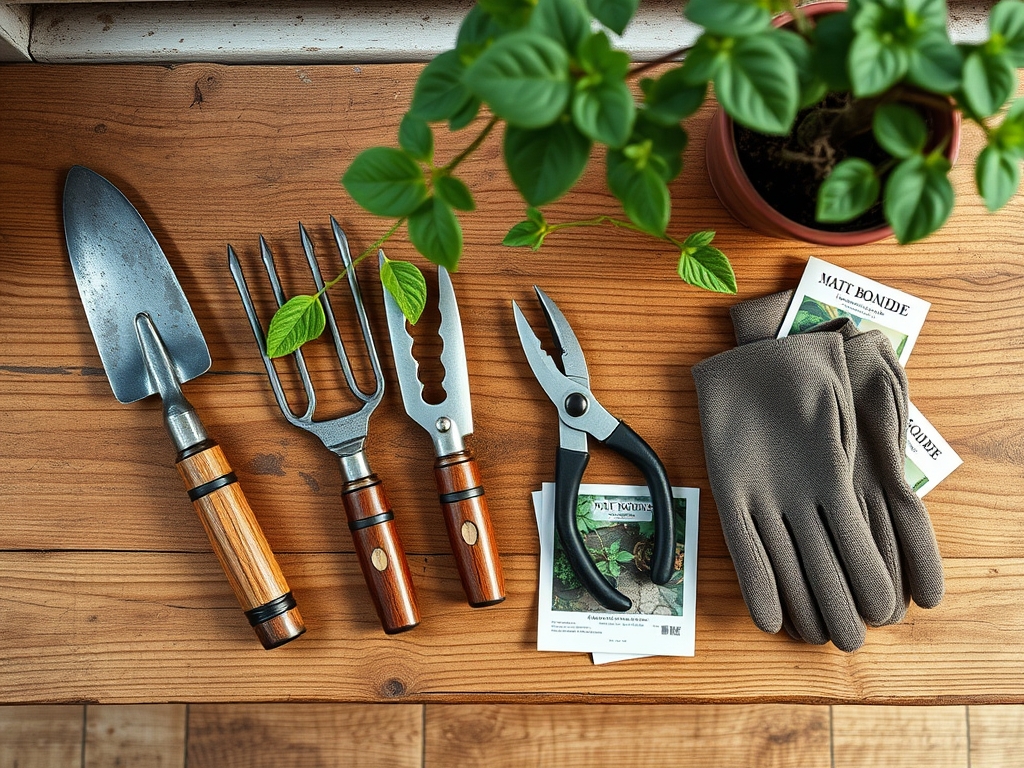
Sharp bypass pruners with a 0.75-inch cutting capacity prevent crushing vascular tissue. Sterilize blades between cuts using 70% isopropyl alcohol to eliminate pathogen transfer. Wear leather gloves rated for thorn protection; bougainvillea stems carry modified spines that puncture skin easily.
A balanced fertilizer with an NPK ratio of 10-10-10 supports regrowth after pruning. Alternatively, apply an organic 4-4-4 fish and kelp meal if soil pH measures between 5.5 and 6.5. Soils with low cation exchange capacity benefit from a 2-inch layer of composted pine bark mulch, which stabilizes moisture and introduces beneficial fungi.
Indoor specimens require a well-draining medium combining 40% peat, 30% perlite, and 30% aged compost. Avoid heavy potting mixes; bougainvillea roots rot when oxygen exchange drops below optimal levels.
Timing
Bougainvillea grows best in USDA Hardiness Zones 9 through 11, where frost rarely interrupts the growing cycle. Indoor cultivation extends this range to Zone 4, provided temperatures remain above 50°F year-round. Prune after the final flush of bracts fades, typically in late winter or early spring before new growth begins.
In northern climates, schedule major pruning between February and March, when day length increases but active growth has not yet commenced. Light shaping may occur in late summer, but avoid heavy cuts after August. Late-season pruning stimulates tender growth that fails to harden before cooler temperatures arrive.
Monitor indoor temperatures closely. Bougainvillea enters semi-dormancy below 60°F, making this the ideal window for structural cuts that would otherwise stress an actively growing plant.
Phases

Sowing the Framework
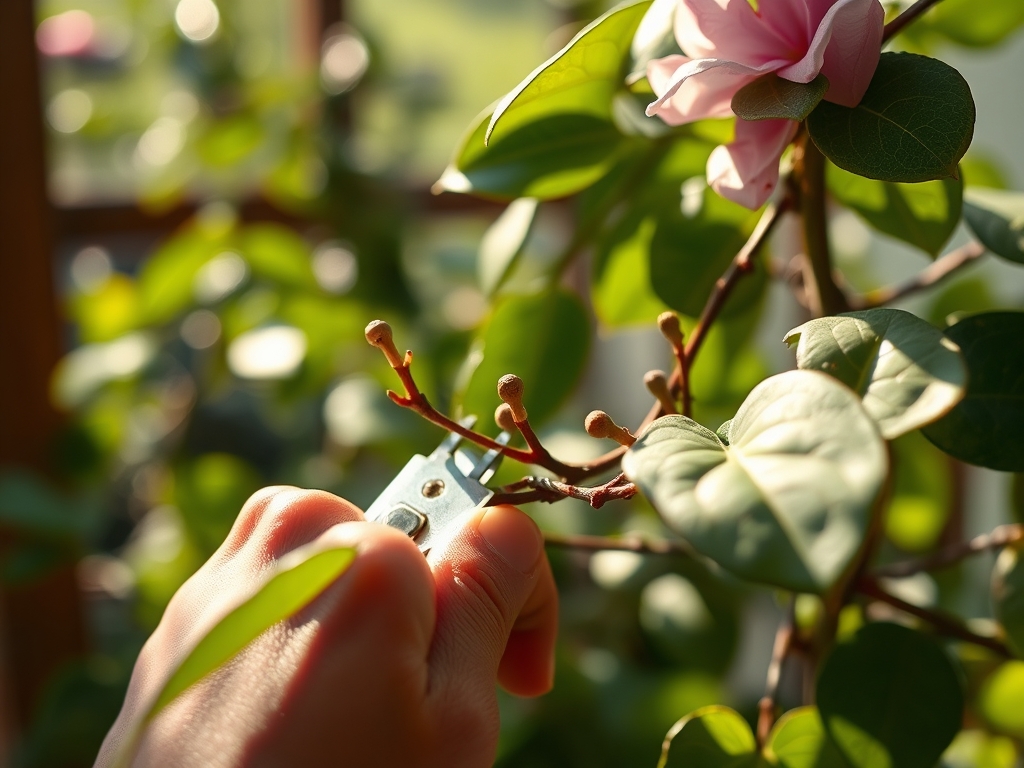
Remove all dead, damaged, or crossing branches first. Cut 0.25 inches above an outward-facing node at a 45-degree angle to encourage water runoff from the wound. This initial phase establishes air circulation and eliminates competing stems that drain resources without contributing to the canopy structure.
Pro-Tip: Apply mycorrhizal fungi inoculant to the root zone one week before pruning. The symbiotic relationship enhances nutrient uptake, allowing the plant to recover faster from pruning stress.
Transplanting Energy
Shorten all remaining stems by one-third to one-half their length. This aggressive reduction redirects carbohydrate reserves from apical dominance toward dormant lateral buds. Each cut must occur just above a node where leaves emerge; cuts made in internodal spaces invite dieback.
Select four to six main scaffold branches and remove all competing stems. Space these scaffolds evenly around the central trunk to create a balanced form. Indoor specimens benefit from an open vase shape that allows light to reach interior foliage.
Pro-Tip: Prune flowering wood back to two or three nodes. Bougainvillea produces bracts on new growth, so aggressive pruning of old wood stimulates fresh flowering stems.
Establishing Maintenance Cycles
Pinch growing tips every four weeks during the active season to encourage bushier growth. Remove individual stems that extend beyond the desired silhouette. This phase involves light, frequent interventions rather than heavy seasonal cuts.
Monitor for water sprouts: vigorous vertical shoots that emerge from pruning wounds. Remove these immediately, as they rarely flower and consume energy better allocated to lateral branches.
Pro-Tip: Train long canes horizontally along supports. Horizontal orientation disrupts apical dominance and triggers multiple flowering points along the stem length.
Troubleshooting
Symptom: Yellow leaves with green veins appear after pruning.
Solution: Iron deficiency from pH imbalance. Drench soil with chelated iron at 1 tablespoon per gallon. Test soil pH and adjust to 6.0 using sulfur if readings exceed 7.0.
Symptom: Black sooty mold covers leaves and stems.
Solution: Secondary infection from honeydew excreted by aphids or whiteflies. Spray affected areas with insecticidal soap at 2% concentration. Apply neem oil at 1 tablespoon per quart weekly for three weeks to eliminate pest populations.
Symptom: Brown, crispy bract edges post-pruning.
Solution: Low humidity below 40% combined with inconsistent watering. Increase ambient humidity using a pebble tray or humidifier. Water when the top 2 inches of soil feel dry, applying until drainage occurs.
Symptom: No new growth appears six weeks after pruning.
Solution: Insufficient light or nitrogen deficiency. Move plant to a location receiving 5-6 hours of direct sun daily. Apply a balanced 10-10-10 fertilizer at half strength every two weeks.
Maintenance
Water indoor bougainvillea when the top 2 inches of soil dry completely. Apply 1 inch of water per week during active growth, reducing to 0.5 inches during winter dormancy. Overwatering causes root rot; the plant tolerates slight drought better than saturated conditions.
Feed every two weeks from March through September using a water-soluble 10-10-10 fertilizer diluted to half the manufacturer's recommended strength. Cease feeding in October to allow the plant to harden before cooler months.
Rotate containers 90 degrees weekly to ensure even light exposure. Bougainvillea stretches toward light sources, creating lopsided growth without regular rotation.
FAQ
How often should I prune my indoor bougainvillea?
Perform major structural pruning once annually in late winter. Conduct light maintenance pinching every four weeks during the growing season to control shape and encourage lateral branching.
Can I propagate cuttings from pruned stems?
Yes. Select semi-hardwood cuttings 4-6 inches long with three nodes. Dip cut ends in rooting hormone containing 0.3% IBA. Root in 50% perlite and 50% peat under humidity domes.
Why won't my bougainvillea flower after pruning?
Flowering requires 5-6 hours of direct sunlight and slight drought stress. Reduce watering by 30% once new growth appears. Excess nitrogen promotes foliage over bracts; switch to a 5-10-10 bloom-booster formula.
Should I prune during flowering?
Avoid heavy pruning during active blooming. Remove spent bract clusters only, cutting back to the first set of leaves. Major cuts during flowering abort developing buds.
What tools work best for thick bougainvillea stems?
Use bypass loppers for stems 0.5-1.5 inches in diameter. Pruning saws handle anything larger. Avoid anvil-style cutters; they crush vascular tissue and slow wound healing.