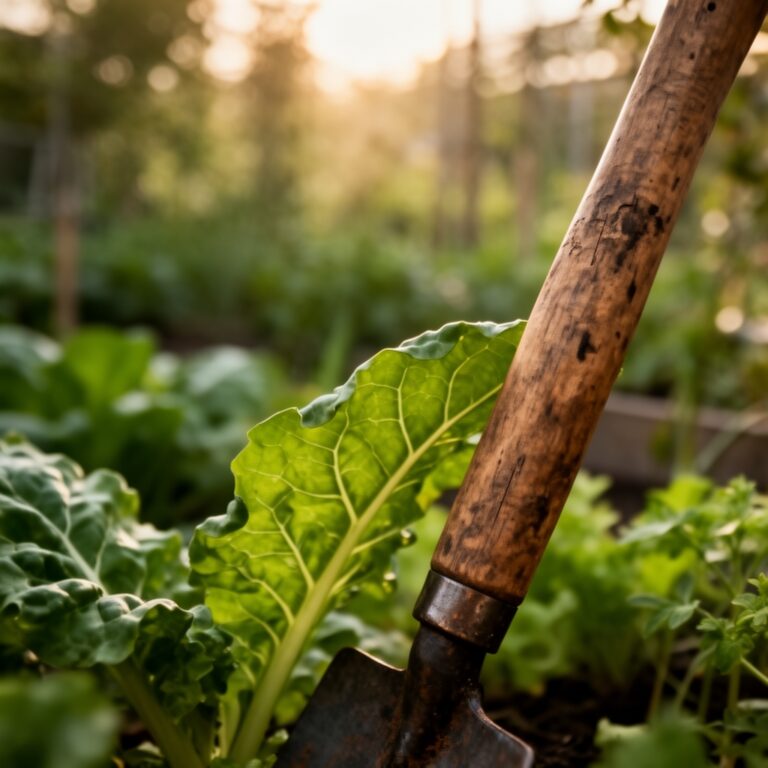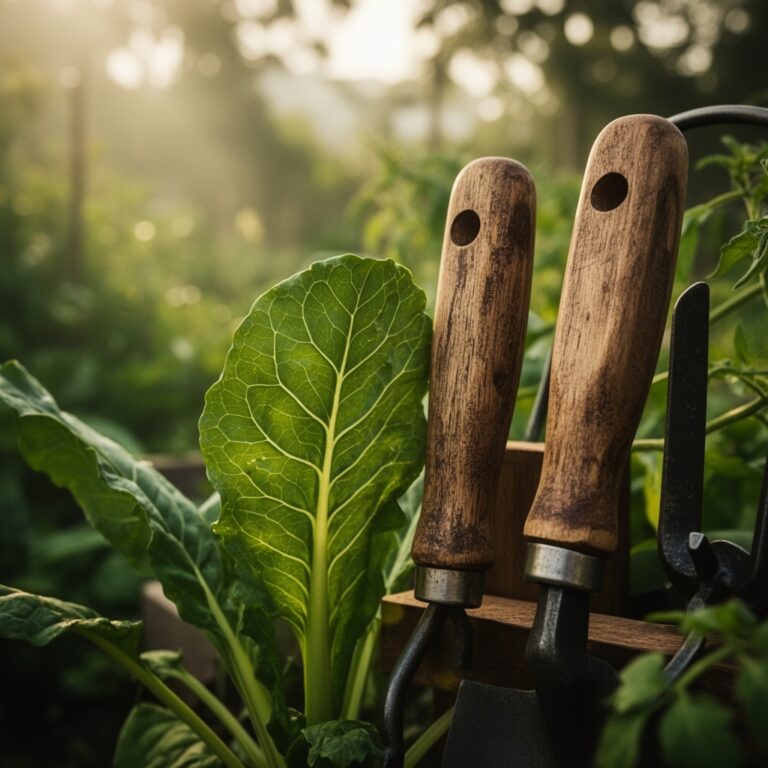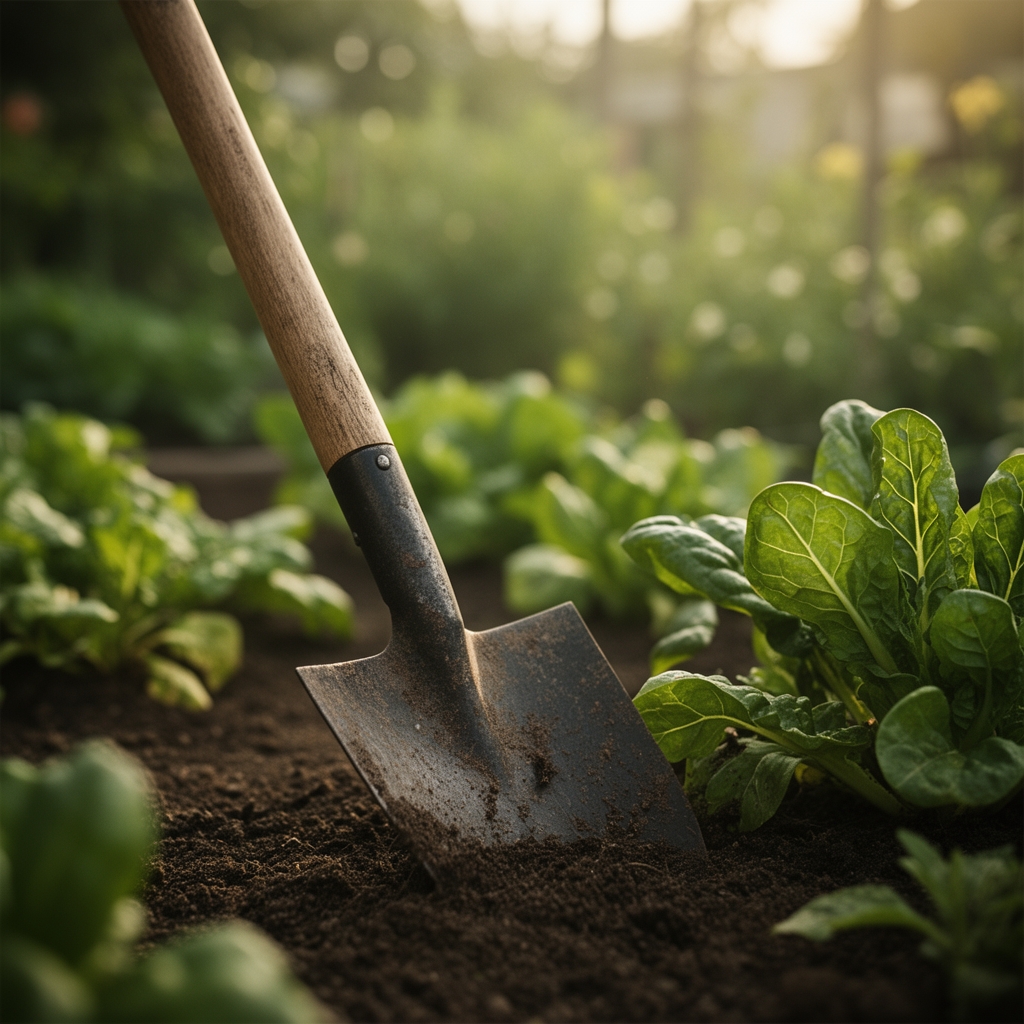
8 High-Altitude Steps to Prepare a Rock Garden for Vegetables
Transforming a high-altitude rock garden into productive vegetable beds demands precision in soil amendment, drainage engineering, and microclimate management. At elevations above 7,000 feet, freeze-thaw cycles shatter stone, creating angular fragments that drain water faster than alpine meltwater flows down granite faces. Understanding how to prepare a garden for a rock vegetable garden begins with recognizing that these skeletal soils require deliberate reconstruction of organic matter, mineral balance, and biological activity before a single seed touches earth.
Materials

Gather the following categorized by chemical function:
pH Adjustment (Target 6.0-7.0)
- Agricultural sulfur for alkaline soils (reduces pH by 0.5 units per pound per 10 square feet)
- Dolomitic limestone for acidic conditions (raises pH and supplies magnesium)
NPK Foundation
- Aged cattle manure (0.5-0.3-0.5) at 3 cubic yards per 100 square feet
- Alfalfa meal (3-1-2) for slow-release nitrogen and triacontanol growth stimulant
- Rock phosphate (0-3-0) to address phosphorus fixation in cold soils
- Kelp meal (1-0.5-2.5) for micronutrients and cytokinins
Structural Amendments
- Coarse sand (angular, not round beach sand) for drainage channels
- Perlite or pumice at 20% by volume to prevent compaction
- Shredded pine bark (aged 12 months minimum) to boost cation exchange capacity
Biological Inoculants
- Mycorrhizal fungi blend (Glomus intraradices and Rhizophagus irregularis)
- Compost tea starter culture with Trichoderma species
Timing
High-altitude preparation follows a compressed calendar. In Zones 3-5, begin amendments 8-10 weeks before the last average frost date (typically late May to mid-June). The soil must reach 50°F at 4-inch depth before incorporating organic matter; otherwise, anaerobic decomposition produces phytotoxic compounds. For Zones 6-7 at elevation, start 6 weeks prior. Autumn preparation (September through October) allows freeze-thaw action to mellow clay particles and integrate amendments, but requires covering beds with 6-mil black plastic to prevent nutrient leaching from early snowmelt.
Phases
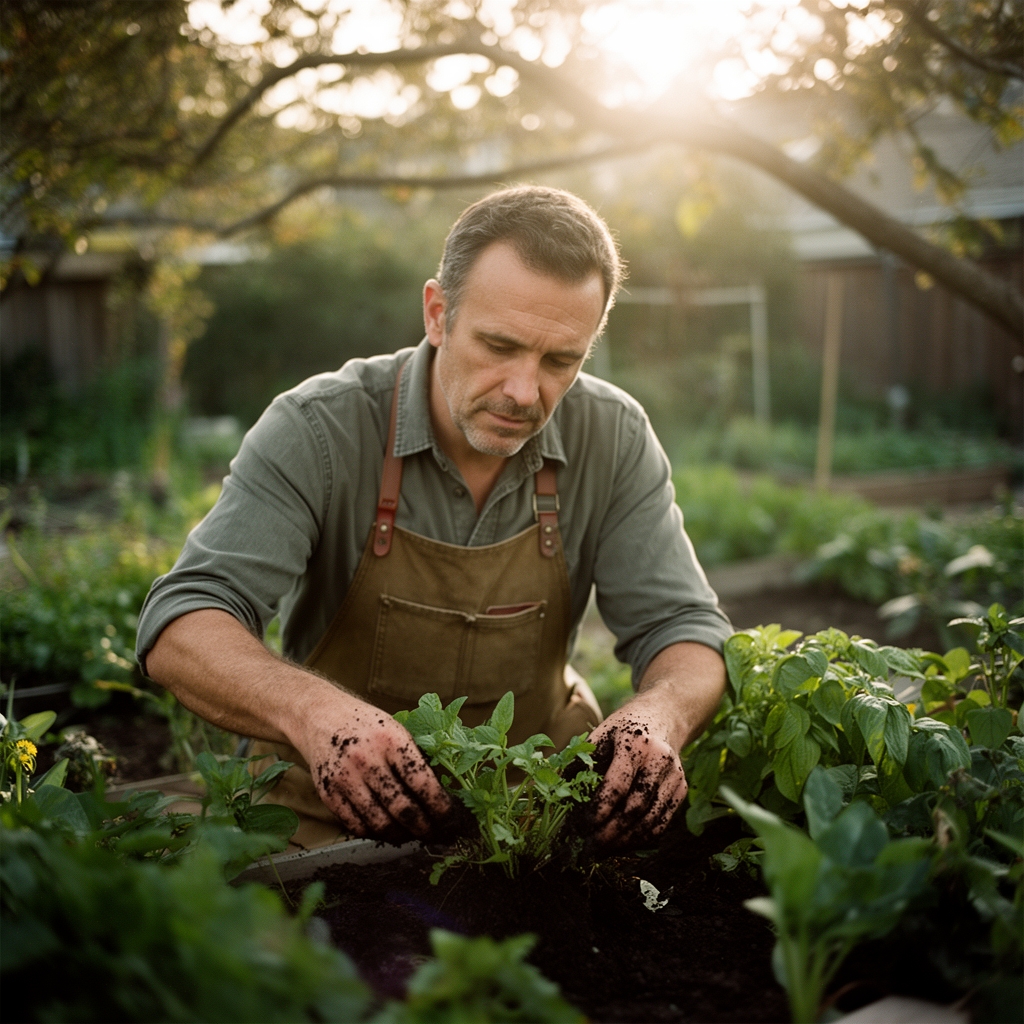
Sowing the Foundation
Remove rocks larger than 3 inches diameter to a depth of 18 inches. Reserve flat stones for bed edging and thermal mass. Spread 3 inches of aged manure across the cleared area. Add alfalfa meal at 5 pounds per 100 square feet. Broadcast rock phosphate at 10 pounds per 100 square feet (high-altitude soils bind phosphorus due to calcium carbonate presence). Till or fork amendments to 12-inch depth, working in three passes separated by 48 hours to allow oxidation.
Pro-Tip: Apply mycorrhizal inoculant directly in furrows or transplant holes rather than broadcasting. Contact with root tissue increases colonization rates from 30% to 85% within 14 days.
Transplanting Structure
Install drainage channels by digging trenches 6 inches wide and 20 inches deep along contour lines every 8 feet. Fill trenches with 4 inches of coarse gravel, then 4 inches of coarse sand, topped with removed soil. This prevents waterlogging during June monsoons. Create raised beds 8-10 inches high using reserved flat stones as retaining walls. Flat stones absorb daytime heat and release it overnight, extending the effective growing season by 12-18 days. Mix perlite into the top 6 inches of each bed at 1 part perlite to 4 parts amended soil.
Pro-Tip: Angle bed surfaces 3-5 degrees toward south to maximize solar gain. Each degree of tilt increases soil temperature by 0.8°F at root zone depth.
Establishing Biology
Two weeks before planting, irrigate beds to field capacity and cover with clear plastic for soil solarization. This raises temperature to 65-70°F, activating dormant beneficial bacteria. Remove plastic after 10 days. Brew compost tea by steeping 2 pounds finished compost in 5 gallons non-chlorinated water with 2 tablespoons molasses for 24 hours (aerate continuously). Apply 1 gallon per 10 square feet to inoculate beds with decomposer organisms.
Pro-Tip: Seed beds with nitrogen-fixing Trifolium repens (white clover) between vegetable rows. Mow clover to 2 inches monthly; clippings provide 0.5 pounds nitrogen per 100 square feet per season.
Troubleshooting
Symptom: Purple leaf undersides on brassicas and tomatoes.
Solution: Phosphorus lockout from cold soil. Apply liquid fish emulsion (5-1-1) as foliar spray at 2 tablespoons per gallon weekly until soil reaches 60°F.
Symptom: Interveinal chlorosis on new growth.
Solution: Iron deficiency from high pH. Drench soil with chelated iron (FeEDDHA) at 1 ounce per 10 square feet. Retest pH and apply sulfur if above 7.2.
Symptom: Wilting despite moist soil; brown root tips.
Solution: Root rot from Pythium species in poorly drained pockets. Excavate affected area, remove 6 inches of soil, backfill with 50/50 mix of coarse sand and compost. Drench with hydrogen peroxide solution (1 cup 3% peroxide per gallon water).
Symptom: Seedlings topple at soil line.
Solution: Damping-off from Rhizoctonia. Increase air circulation with 4-inch spacing. Dust seed furrows with cinnamon powder (natural fungicide). Water only in morning.
Symptom: Stunted growth despite adequate fertility.
Solution: Aluminum toxicity in acidic soils (below pH 5.5). Apply dolomitic limestone at 10 pounds per 100 square feet. Retest after 30 days.
Maintenance
Irrigate deeply once weekly, delivering 1 inch of water measured in rain gauge or tuna can. High-altitude evapotranspiration rates double water needs compared to lowland gardens. Apply 2-inch layer of shredded bark mulch around plants, keeping material 3 inches from stems to prevent collar rot. Side-dress vegetables every 21 days with alfalfa meal at 2 pounds per 100 square feet, scratching into top inch of soil. Monitor soil temperature with a probe thermometer; if root zone drops below 50°F overnight, cover beds with row cover fabric (1.5 oz weight adds 4°F protection).
FAQ
Q: Can I use native rock scree as growing medium?
A: No. Scree lacks organic matter and has cation exchange capacity below 5 meq/100g. Amend with 40% compost by volume minimum.
Q: How often should I test soil pH at altitude?
A: Test every 60 days the first season. High rainfall and organic matter decomposition shift pH rapidly in young beds.
Q: Which vegetables tolerate rocky substrate best?
A: Root crops like carrots and parsnips navigate stones easily. Avoid large-rooted brassicas until stones are removed to 18 inches.
Q: Do I need wind protection?
A: Yes. Winds above 15 mph increase transpiration 40%. Install 4-foot burlap screens on prevailing wind side (typically west/northwest).
Q: When can I reduce amendment applications?
A: After three seasons, soil biology stabilizes. Switch to maintenance rate of 1 inch compost annually and biennial rock phosphate.