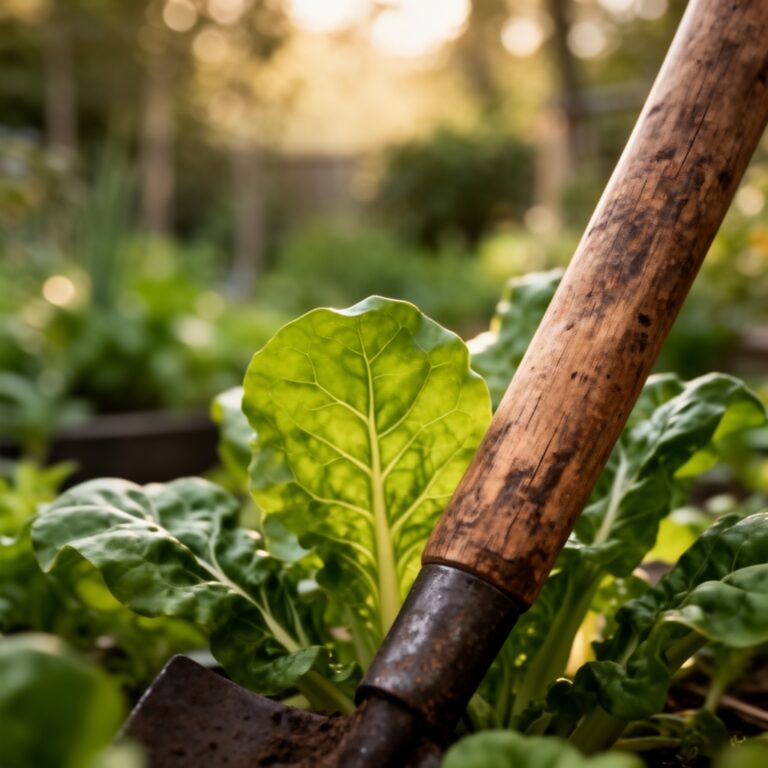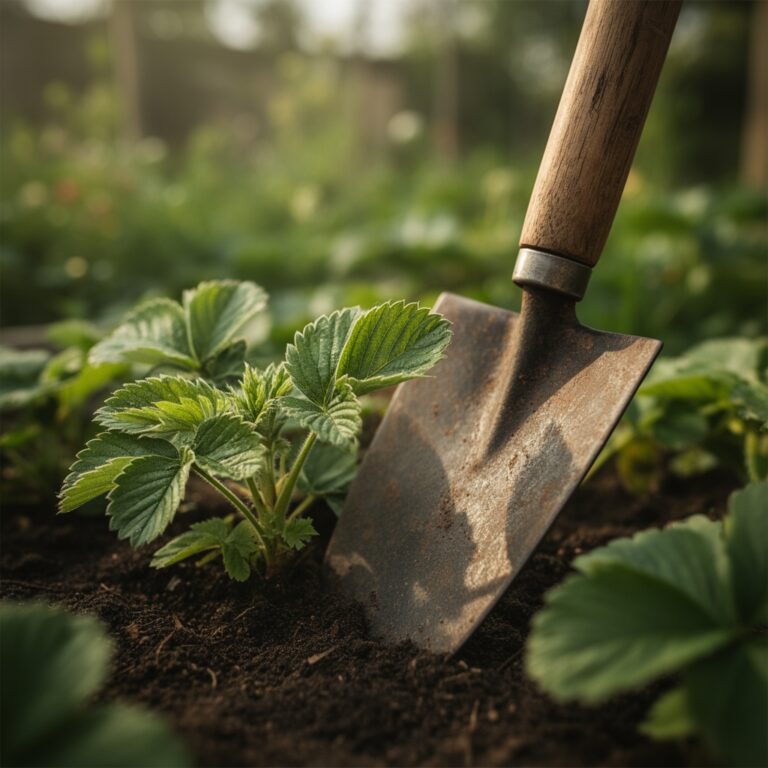
8 Organization Steps to Install a Clean Garden Path Edge
A well-defined path edge transforms soil compaction and weed encroachment into a manageable cultivation system. The steps for installing a vegetable garden path edging begin with excavation depth calibration, material selection based on root-zone barriers, and anchoring techniques that prevent frost heave in USDA Zones 3 through 7. Edging creates distinct boundaries between high-traffic walking surfaces and active growing beds, reducing nutrient leaching from compost-amended rows. Proper installation protects the cation exchange capacity of productive soil while maintaining access corridors that prevent root disturbance during harvest.
Materials
Aluminum or steel edging provides 20-year longevity in pH ranges from 5.5 to 7.5. These metals resist corrosion when mulch acidity stays within horticultural norms. Cedar or black locust lumber offers natural rot resistance for 8 to 12 seasons without chemical treatment. Untreated wood decomposes and contributes minimal nitrogen (0.2-0.1-0.1 ratio) as it breaks down.
Polyethylene or polypropylene plastic edging costs $0.80 per linear foot and withstands UV degradation for 5 to 7 years. Stone pavers, brick, or concrete blocks require no replacement but demand deeper trenching and gravel base layers. Recycled rubber edging flexes around curves and resists soil pH fluctuations from sulfur amendments or lime applications.
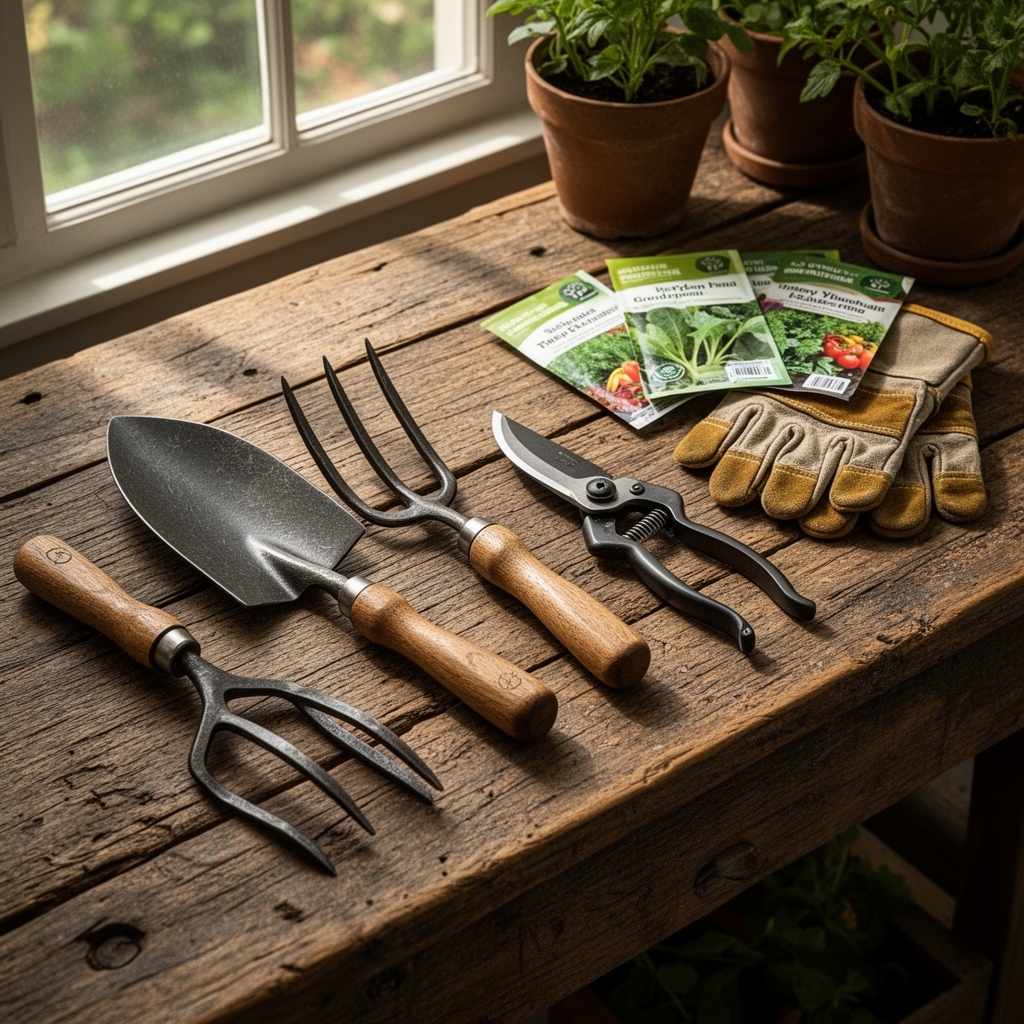
Galvanized landscape spikes (8 inches) anchor flexible materials every 3 feet. A hand tamper compacts backfill soil to prevent settling. Contractors' marking paint outlines straight runs or gentle arcs before excavation begins. A flat spade with a sharpened blade cuts cleaner trenches than rounded shovels.
Timing
Install edging during soil temperatures of 50 to 65°F, typically late March in Zone 7, mid-April in Zone 6, and early May in Zone 5. Ground frost must retreat to 6 inches depth to allow proper trench excavation. Avoid installation during saturated conditions when clay soils exhibit plasticity. Edging placed in autumn (September through October) allows winter freeze-thaw cycles to settle materials before spring planting.
In arid climates (Zones 8 through 10), schedule installation before monsoon seasons when dry soil cuts cleanly and compacts uniformly after watering. Complete edging work at least three weeks before transplanting seedlings to avoid root zone disturbance. Mycorrhizal fungi colonization proceeds without interruption when path edges remain stable.
Phases

Step 1: Layout and Marking
Drive stakes at path corners and stretch mason's line to define borders. Mark curves with contractors' paint in 6-inch intervals. Measure path width at 18 to 24 inches for single-file access or 36 inches for wheelbarrow clearance. Confirm that bed edges align with drip irrigation emitter placement.
Step 2: Excavation
Cut a trench 6 inches deep and 4 inches wide along marked lines. Remove sod or existing vegetation completely. Reserve topsoil separately from subsoil for backfilling. Slope trench bottoms 1 inch per 8 feet to encourage drainage away from planting beds.
Pro-Tip: Inoculate trench bottoms with endomycorrhizal fungi spores (Glomus species) before setting edging. Root systems colonize faster when hyphal networks establish early.
Step 3: Base Preparation
Spread 1 inch of coarse sand or pea gravel in trench bottoms for drainage and leveling. Tamp firmly with a hand compactor. This base layer prevents direct soil contact that accelerates wood decay or metal oxidation.
Step 4: Edging Placement
Set material vertically with 3 to 4 inches exposed above final grade. Overlap flexible edging sections by 2 inches and secure with spikes driven at 30-degree angles. Align rigid materials end-to-end with tight joints. Check level every 4 feet using a 24-inch spirit level.
Pro-Tip: Angle spikes toward the path side, not the bed side, to prevent root damage during auxin-driven lateral growth spurts in June and July.
Step 5: Backfilling
Replace topsoil against the bed side of edging first, tamping every 2 inches. Pack path-side soil firmly to eliminate air pockets. Water settles backfill naturally without over-compaction that reduces oxygen diffusion.
Step 6: Path Surface Treatment
Spread 3 inches of hardwood mulch, pea gravel, or decomposed granite on path surfaces. Mulch suppresses weeds and moderates soil temperature fluctuations. Gravel paths drain immediately after rainfall, reducing mud tracking into beds.
Step 7: Bed Soil Amendment
Top-dress bed edges with 1-inch layer of compost (NPK approximately 1-1-1) to restore organic matter lost during excavation. Avoid fertilizers higher than 4-4-4 until transplants establish and initiate active nutrient uptake.
Step 8: Inspection and Adjustment
Walk paths under load (50 pounds) to identify settling or misalignment. Adjust edging while soil remains workable. Confirm that irrigation spray patterns do not overshoot into paths, which encourages weed germination in mulch layers.
Pro-Tip: Install edging 1 inch below final mulch height in beds. This prevents mulch from spilling onto paths during heavy rains or cultivation.
Troubleshooting
Symptom: Edging heaves upward after winter.
Solution: Drive additional spikes at 18-inch intervals. Excavate beneath lifted sections and add 2 inches of compacted gravel to resist frost expansion.
Symptom: Grass rhizomes penetrate under edging into beds.
Solution: Install 6-mil polyethylene barrier extending 8 inches below edging bottom. Trim rhizomes monthly during active growth (May through August).
Symptom: Wood edging rots within two seasons.
Solution: Replace with naturally durable species (cedar, locust, or redwood heartwood). Avoid ground contact by setting on gravel base.
Symptom: Metal edging corrodes at soil line.
Solution: Test soil pH. Amend acidic soils (below 6.0) with dolomitic lime at 5 pounds per 100 square feet to reduce corrosion rates.
Symptom: Flexible plastic edging separates at joints.
Solution: Use connector sleeves or overlap sections by 4 inches. Install spikes through both layers simultaneously.
Maintenance
Inspect edging quarterly for displacement or degradation. Re-spike sections that lift more than 0.5 inches above grade. Trim vegetation encroaching within 2 inches of edging faces using manual shears to avoid nicking material surfaces.
Replenish path mulch annually to maintain 3-inch depth. Rake gravel paths monthly to redistribute stones and prevent rut formation. Apply pre-emergent herbicide (corn gluten meal at 20 pounds per 1,000 square feet) to paths in early April before weed seeds germinate.
Remove sediment accumulation from bed-side edging bases each spring. This prevents soil buildup that buries lower edging sections and creates bridges for pest movement. Reapply mycorrhizal inoculant every three years along edging trenches to sustain fungal networks.
FAQ
How deep should edging trenches be for clay soils?
Excavate 8 inches deep in heavy clay. The extra depth prevents frost heave and provides space for gravel drainage layers that reduce waterlogging.
Can I install edging around existing beds without disturbing roots?
Yes. Cut trenches 6 inches away from visible root flares. Prune exposed roots cleanly with bypass pruners rather than tearing them during excavation.
What edging material works best in Zone 3?
Use steel or aluminum rated for freeze-thaw cycles. Anchor with 10-inch spikes driven below frost line depth (typically 36 to 48 inches in Zone 3).
How do I prevent edging from restricting bed expansion?
Leave 12 inches between edging and perennial root zones. Annual vegetables tolerate edging placed 4 inches from stem bases without growth restriction.
Should edging be level or follow ground contours?
Follow natural grade to prevent water ponding. Avoid steps or abrupt elevation changes that disrupt mower wheels or wheelbarrow passage.