8 Sorting Steps to Build a Traditional Vegetable Garden Gazebo
The first stake driven into soil marks the beginning of transformation. A traditional vegetable garden gazebo merges ornamental architecture with functional growing space, creating a vertical framework that supports climbing crops while offering shade and shelter. The steps for building a vegetable garden gazebo require careful planning of load-bearing posts, rafter angles, and soil preparation zones that accommodate both foundation stability and root development. Cedar or locust posts resist decay for decades. The structure becomes living architecture when pole beans spiral upward and cucumber vines drape from cross-beams.
Materials
Foundation posts require rot-resistant heartwood. Black locust offers superior durability with a Janka hardness of 1,700 pounds-force. Cedar contains natural thujaplicins that repel insects and fungal pathogens. Avoid pressure-treated lumber near edibles due to copper leachate affecting soil chemistry.
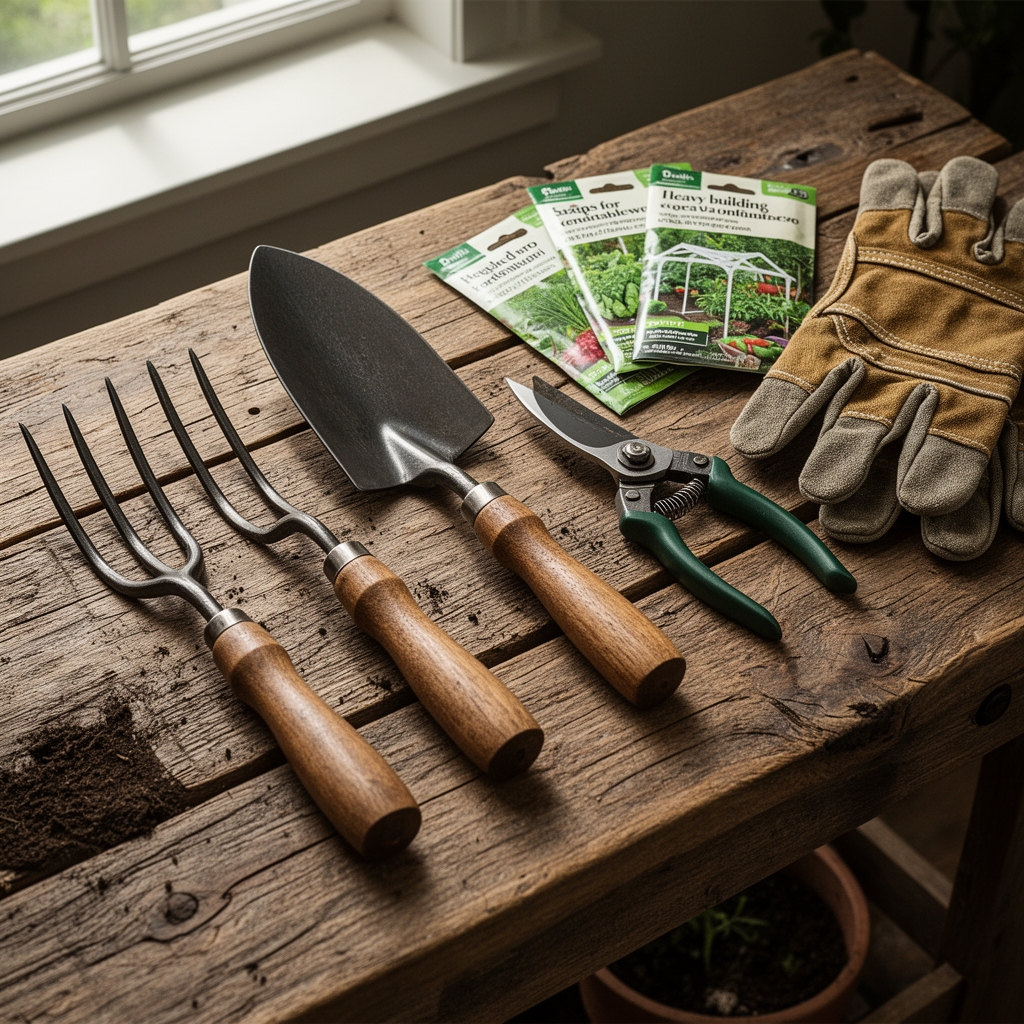
For structural members, select kiln-dried lumber graded #2 or better. Cross-beams spanning more than 8 feet need 4×6 dimensional stock. Galvanized lag bolts (3/8-inch diameter, 6-inch length) provide adequate shear strength for rafter-to-post connections. Stainless steel screws prevent rust staining on exposed surfaces.
Soil amendments depend on native pH and texture. If pH falls below 6.2, incorporate dolomitic limestone at 5 pounds per 100 square feet to raise pH by 0.5 units. For nitrogen-deficient soils testing below 25 ppm, apply blood meal (12-0-0) at 2 pounds per 100 square feet. Bone meal (4-12-0) addresses phosphorus needs during establishment. Kelp meal supplies micronutrients and improves cation exchange capacity. A balanced organic fertilizer (4-4-4) maintains steady nutrient availability without salt accumulation.
Mycorrhizal inoculant containing Glomus intraradices colonizes root hairs within 14 days. This symbiosis extends phosphorus uptake range by 10-fold.
Timing
Hardiness zones dictate construction and planting windows. In zones 5-6, complete gazebo framing by early April before soil temperatures reach 50°F. This allows mycorrhizal establishment before transplanting warm-season crops. In zones 7-8, February construction permits earlier successional plantings.
Last frost dates govern seedling introduction. Tomatoes and peppers require soil temperatures above 60°F for root elongation. Pole beans germinate reliably when soil reaches 65°F at 2-inch depth. Cool-season climbers like snap peas tolerate soil temperatures down to 45°F and benefit from March planting in most temperate regions.
Foundation posts need 30 days of curing time if set in concrete. This delay allows full hydration of Portland cement and prevents structural settling during the growing season.
Phases

Sowing Phase: Mark corner post locations with 4-foot spacing for compact gazebos, 6-foot spacing for larger structures. Excavate post holes to 36 inches depth in cold climates to prevent frost heave. Mix excavated soil with compost at 1:1 ratio. Set posts plumb using a 48-inch level on two adjacent faces. Backfill in 6-inch lifts, tamping each layer. Concrete collars provide maximum stability in loose or sandy soils.
Pro-Tip: Orient the gazebo's longest axis north-south to balance morning and afternoon sun exposure for climbers on both sides.
Transplanting Phase: Install horizontal support wires at 12-inch vertical intervals between posts. Use 14-gauge galvanized wire tensioned to 40 pounds. Plant indeterminate tomatoes 24 inches from posts. Set pole bean transplants 6 inches apart along the perimeter. Position cucumber starts 18 inches from corner posts to prevent overcrowding.
Apply starter fertilizer (1-2-1 ratio) at transplanting. Dilute fish emulsion to half-strength (2.5-1.25-2.5) for tender seedlings. Water immediately with 1 quart per plant to eliminate air pockets around root balls.
Pro-Tip: Pinch terminal buds on tomato transplants at 6 inches height to redirect auxin distribution toward lateral branching.
Establishing Phase: Train vines along support wires using soft jute twine. Avoid constricting stems as diameter increases. Prune indeterminate tomatoes to two main stems for optimal air circulation. Remove suckers below the first flower cluster to concentrate energy in fruiting wood.
Mulch with 3 inches of shredded hardwood bark to suppress weeds and moderate soil temperature. Keep mulch 4 inches from plant stems to prevent collar rot.
Pro-Tip: Inoculate legume roots with Rhizobium bacteria at transplanting. This nitrogen fixation adds 2-3 pounds of nitrogen per 100 square feet over the season.
Troubleshooting
Symptom: Blossom end rot appears as sunken black lesions on tomato fruit bases.
Solution: Calcium deficiency caused by irregular watering. Apply calcium chloride foliar spray (0.5% solution) weekly. Maintain consistent soil moisture at field capacity.
Symptom: Powdery mildew forms white fungal patches on cucumber leaves.
Solution: Poor air circulation and high humidity. Prune lower leaves to improve airflow. Apply sulfur dust (90% concentration) at first symptom appearance. Reapply every 7 days.
Symptom: Bean beetles skeletonize foliage, leaving lace-like leaf tissue.
Solution: Handpick adults daily during early morning when cold temperatures slow movement. Apply spinosad (organic formulation) at 4 tablespoons per gallon if populations exceed 10 beetles per plant.
Symptom: Blossom drop occurs without fruit set.
Solution: Night temperatures above 75°F inhibit pollen viability. Mist flowers at dawn to increase humidity. Plant heat-tolerant cultivars in zones 8-9.
Symptom: Vertical wilting despite adequate soil moisture indicates vascular wilt diseases.
Solution: Remove infected plants immediately. Solarize soil with clear plastic for 6 weeks during peak summer heat to kill Fusarium and Verticillium propagules.
Maintenance
Water deeply twice weekly, delivering 1 inch total measured with rain gauges. Drip irrigation at 1 gallon per hour per emitter maintains consistent moisture without wetting foliage. Avoid overhead watering after fruit set to minimize fungal diseases.
Side-dress with compost tea every 21 days. Brew 1 pound finished compost per 5 gallons water for 24 hours with aeration. Apply 1 quart per plant, avoiding direct stem contact.
Monitor structural connections monthly. Tighten lag bolts if seasonal wood shrinkage creates gaps. Inspect wire tension and adjust to maintain 40-pound resistance.
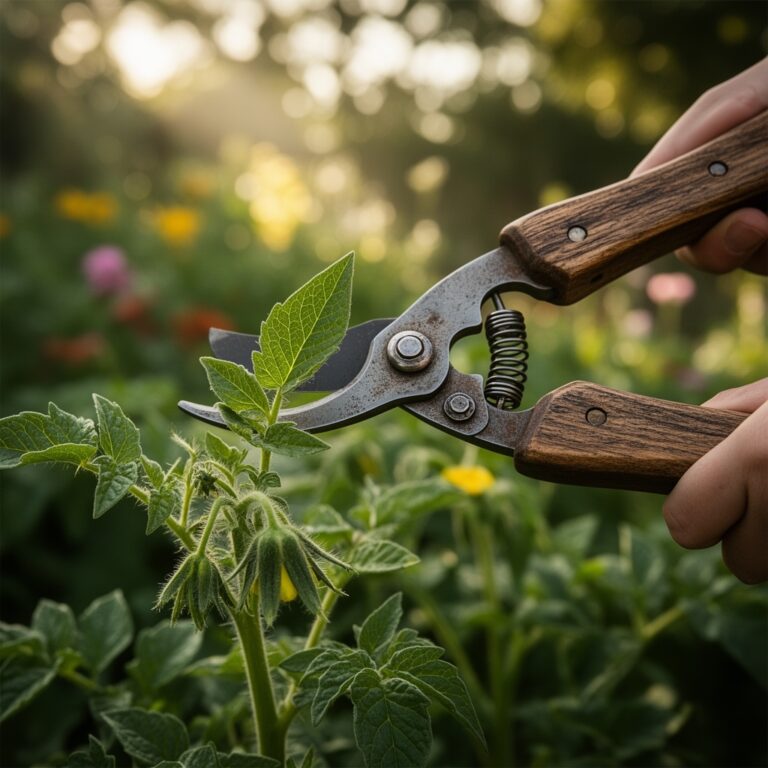
Prune diseased or damaged foliage weekly. Sterilize pruning shears between plants using 10% bleach solution.
FAQ
What is the ideal gazebo size for four tomato plants?
A 6×6-foot footprint provides adequate spacing with corner posts supporting 16 square feet of canopy coverage.
Can pressure-treated lumber contact vegetable roots safely?
Modern alkaline copper quaternary (ACQ) treatment releases copper ions that accumulate in acidic soils. Maintain 18-inch separation between treated wood and planting zones.
Which climbing vegetables perform best on gazebo structures?
Pole beans, indeterminate tomatoes, cucumbers, and Malabar spinach thrive on vertical supports. Avoid heavy squash unless cross-beams use 4×6 or larger stock.
How deep should foundation posts extend?
Minimum depth equals one-third of above-ground height plus 6 inches. In frost-prone regions, extend to 36 inches regardless of post height.
What prevents gazebo posts from rotting prematurely?
Heartwood of black locust or cedar resists decay naturally. Apply copper naphthenate wood preservative to cut ends before installation. Ensure proper drainage around post bases.