9 Edging Steps: Using Garden Shears for Professional Bed Edging
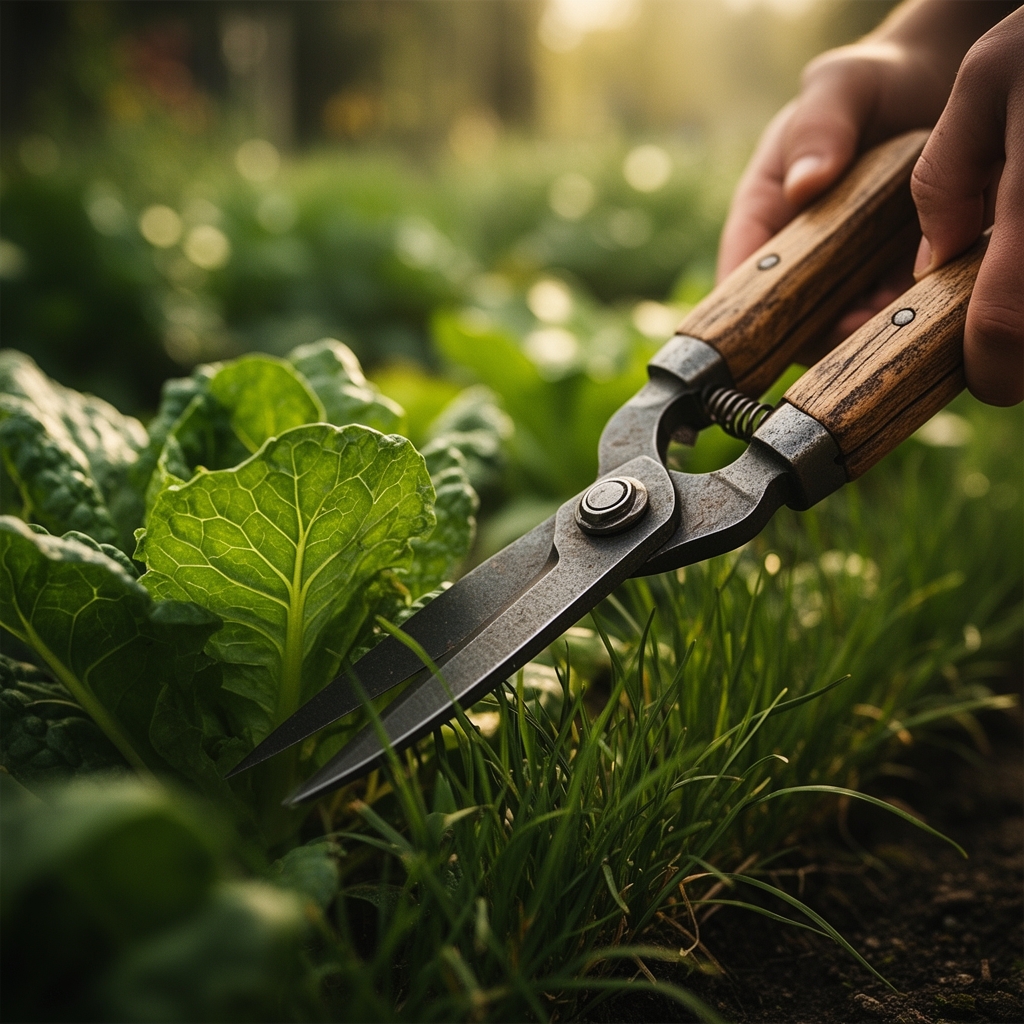
The blade slides through soil and grass with a clean snap, severing rhizomes that have crept two inches past the bed boundary overnight. Using a garden shears for vegetable grass edging transforms ragged borders into sharp, functional lines that prevent nutrient competition and define productive growing zones. Professional landscapers measure their edge work in millimeters, not inches, because precision determines whether bermudagrass invades your carrots or stops cold at the shear line.
Materials
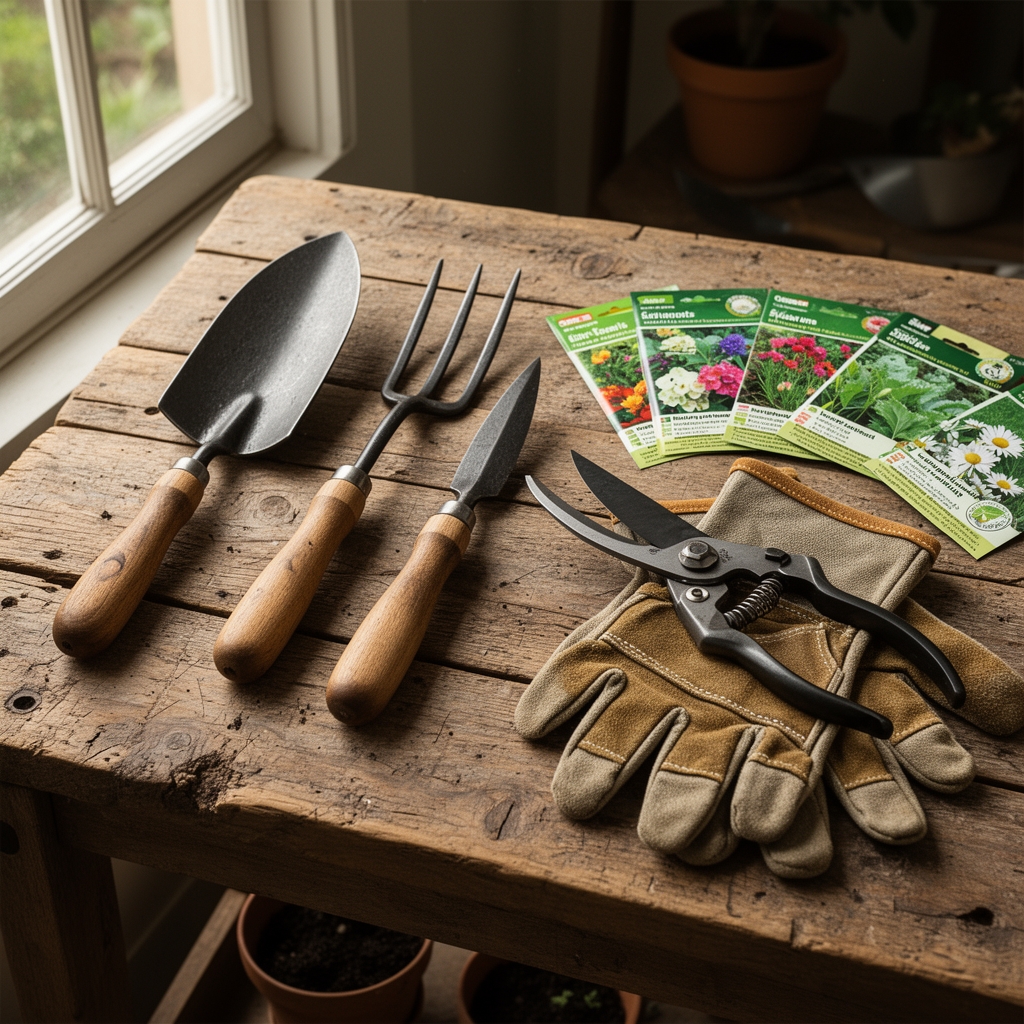
Select bypass shears with carbon-steel blades measuring 8 to 10 inches in length. Bypass mechanisms cut cleanly without crushing plant tissue, unlike anvil designs that bruise stems and encourage pathogen entry. Sharpen blades to 20-degree angles using a whetstone rated 1000-grit minimum.
Soil amendments dictate edge longevity. Apply composted pine bark mulch, pH 5.5 to 6.2, in a 3-inch band along cut edges to suppress weed germination. For alkaline soils above pH 7.0, incorporate elemental sulfur at 1 pound per 100 square feet to lower pH and reduce calcium carbonate crusting that dulls blades.
Fertilizer selection matters at boundaries. Use 4-4-4 organic meal blends within 6 inches of edging lines to support established vegetable root systems without stimulating aggressive grass growth. Avoid high-nitrogen synthetics exceeding 10-0-0 formulations near edges; excess nitrogen promotes lush turf that invades beds within 14 days.
Marking stakes and natural-fiber twine establish straight lines. Tension twine to eliminate sag, positioning it 1 inch above soil grade to guide shear angle.
Timing
Execute edging in USDA Hardiness Zones 3 through 10 during early spring, 14 to 21 days after the last average frost date. Soil temperature must reach 50°F at 4-inch depth to allow clean cuts without excessive mud adhesion to blades.
Zones 8 through 10 require secondary edging in early October, 30 days before first frost, to control winter annual grasses like rescuegrass and annual bluegrass. Warm-season grasses go dormant below 55°F, making fall cuts easier and reducing regrowth pressure.
Avoid edging during active vegetable flowering periods. Vibration from shear impact travels through soil, disturbing mycorrhizal fungi networks that connect plant roots. Schedule edging during vegetative growth phases when auxin distribution favors root regeneration over flower production.
Phases

Initial Layout
Drive stakes at 10-foot intervals along bed perimeters. Stretch twine taut, securing it at 1-inch height. Walk the line to identify subsurface rocks or irrigation lines before cutting. Remove surface debris and mow adjacent grass to 2-inch height for visibility.
Pro-Tip: Spray bed-side soil with diluted molasses solution (1 tablespoon per gallon) 48 hours before edging. Molasses feeds beneficial bacteria that stabilize cut edges and prevent erosion.
Primary Cut
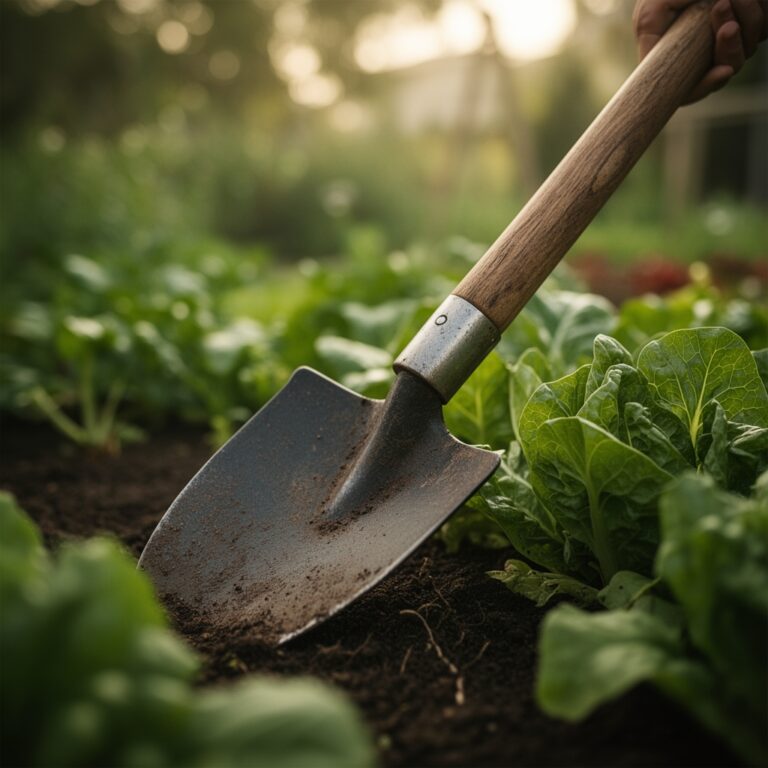
Position shear blades at 75-degree angle to soil surface. Insert blades 4 inches deep, using body weight rather than arm strength to drive the cut. Extract soil and grass plugs every 6 inches, depositing them in a wheelbarrow for composting. The vertical cut face prevents grass runners from bridging the gap.
Pro-Tip: Dip blades in 10-percent bleach solution every 20 feet to prevent transmission of soilborne pathogens like Rhizoctonia solani between bed sections.
Edge Refinement
Return along the cut line with shears held at 90-degree angle. Trim any protruding roots or uneven soil faces to create a uniform wall. Measure depth consistency with a ruler; variations exceeding 0.5 inch create weak points for weed invasion.
Pro-Tip: Inoculate exposed bed-side soil with Trichoderma harzianum spores at 1 gram per linear foot. This fungal species colonizes root zones rapidly and outcompetes pathogenic fungi attracted to fresh cuts.
Troubleshooting
Symptom: Grass regrowth appears within 7 days along edges.
Solution: Cut depth was insufficient to sever rhizome networks. Re-edge at 5-inch depth, removing all white underground stems. Apply corn gluten meal at 20 pounds per 1,000 square feet as pre-emergent.
Symptom: Soil crumbles and collapses into wheel ruts along fresh edges.
Solution: Cation exchange capacity is below 10 meq/100g, indicating poor aggregation. Incorporate biochar at 2 cubic feet per 100 square feet and water to field capacity before re-cutting.
Symptom: Blade binding occurs in clay soils.
Solution: Soil moisture exceeds 60 percent. Delay edging 48 hours after rainfall. For emergency edging, dust blade surfaces with talcum powder to reduce adhesion.
Symptom: Brown discoloration spreads from cut edges into vegetable beds.
Solution: Fusarium species infection through contaminated shears. Sterilize blades with 70-percent isopropyl alcohol. Remove affected soil to 6-inch depth and replace with pathogen-free compost.
Maintenance
Re-edge every 28 days during the growing season to maintain 4-inch depth. Sharpen shear blades after every 200 linear feet of cutting using a 15-degree honing angle on the beveled edge only.
Apply 0.5 inch of water to edges immediately after cutting to settle soil and reactivate mycorrhizal networks. Water at dawn to allow 4-hour drying time before nightfall.
Mulch edges with 2 inches of shredded hardwood bark every 60 days. Maintain mulch line 1 inch back from the cut face to prevent moisture retention that softens edges.
FAQ
How deep should vegetable bed edges be cut?
Four inches minimum to sever cool-season grass rhizomes; 5 inches in bermudagrass or kikuyugrass regions where rhizomes reach deeper.
Can rotary edgers replace manual shears?
Rotary tools crush 30 percent more soil volume and disrupt beneficial fungi. Reserve powered edgers for ornamental beds only.
What blade angle prevents grass creep?
Seventy-five degrees from horizontal creates a barrier most grasses cannot bridge. Angles below 60 degrees allow rhizome layering over the gap.
How often should blades be sterilized?
Every 50 feet when working in beds with previous disease history; every 100 feet in healthy soil with no pathogen pressure detected.
Does edging harm vegetable roots?
Cuts made 6 inches from plant stems sever only feeder roots in the top 3 inches. These regenerate within 10 days when soil temperatures exceed 55°F.