9 Focal Point Steps to Install a Weatherproof Garden Statue
The morning sun glints off bronze leaves and granite torsos standing sentinel among the tomato vines and pepper plants. Gardeners following the steps for installing a vegetable garden statue transform utilitarian growing plots into layered landscapes where artistry meets agriculture. A weatherproof statue anchored through proper soil preparation and structural support becomes both focal point and functional element, casting afternoon shade over heat-sensitive lettuce, acting as a trellis support, or serving as a visual marker for crop rotation zones.
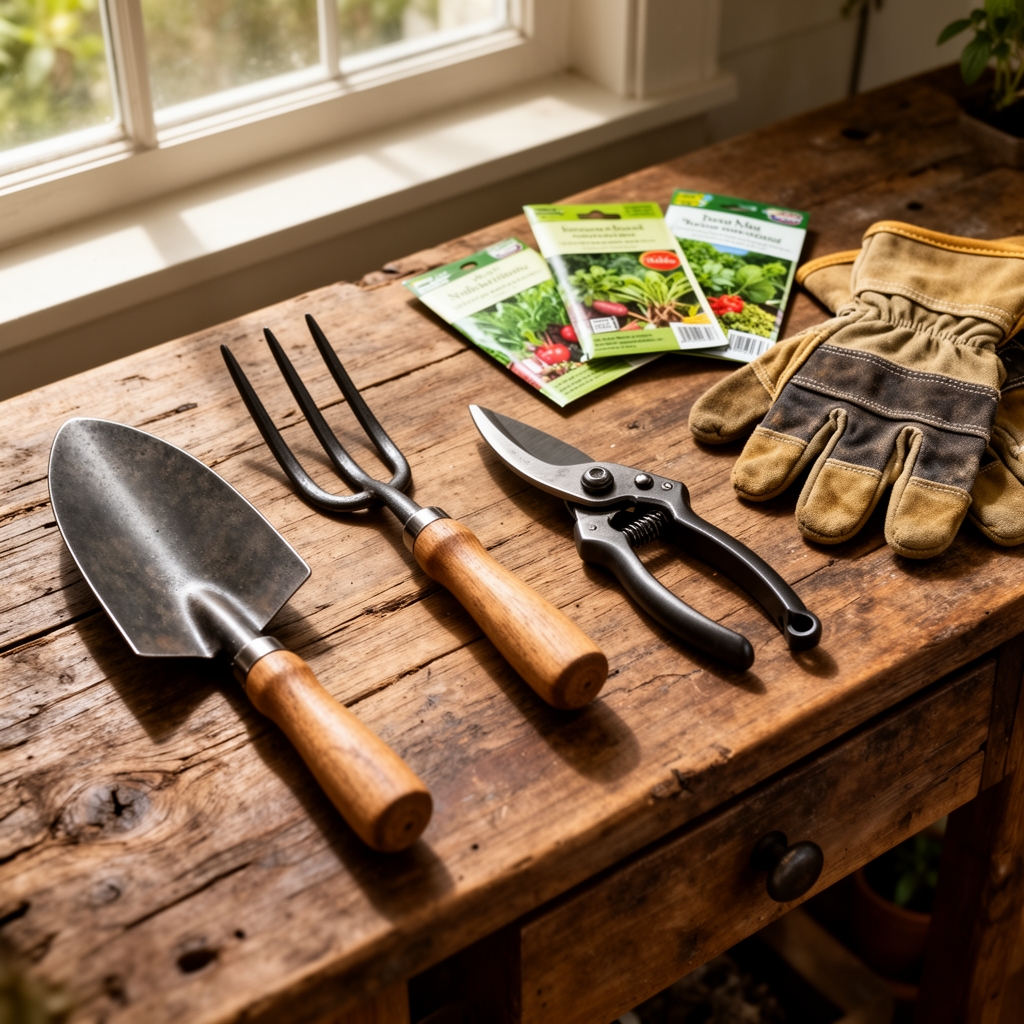
Materials
Substrate composition determines long-term stability. The installation site requires a base layer of crushed granite or trap rock at 3-inch depth, compacted to 95% density. This mineral foundation prevents frost heave and maintains level positioning through seasonal freeze-thaw cycles.
Soil amendments improve drainage and root integration around the statue base. Mix sharp sand (0.5-2mm particle size) at a 1:3 ratio with native soil removed from the installation hole. For gardens with clay content above 40%, incorporate perlite at 20% by volume to increase macropore space and reduce waterlogging.
Anchoring hardware must resist corrosion in environments rich with nitrogen and organic acids. Use 316-grade stainless steel threaded rods (3/8-inch diameter minimum) for statues exceeding 50 pounds. Secure rods into the statue's base mounting points, then embed into concrete footings mixed at 3,000 psi minimum compressive strength.
Soil testing reveals pH requirements for plantings adjacent to stone or metal statuary. Limestone statues gradually raise soil pH to 7.2-7.8 in a 12-inch radius. Compensate by incorporating elemental sulfur at 0.5 pounds per 10 square feet annually. Bronze and copper patinas release trace amounts of cupric ions; these suppress fungal diseases but can accumulate toxically if soil pH drops below 5.8. Buffer with dolomitic lime to maintain pH between 6.2-6.8.
Organic fertilizers support microbial communities disrupted during installation. Apply a 4-4-4 balanced meal (feather meal, bone meal, kelp) at 2 pounds per 100 square feet after statue placement. This slow-release formulation provides nitrogen for 90-120 days without encouraging excessive vegetative growth that obscures sightlines to the statue.
Timing
Installation windows align with soil temperature thresholds and frost dates. In Zones 3-5, schedule work between May 15 and June 30, after soil warms to 55°F at 6-inch depth. Zones 6-7 permit installation from April 1 through October 15. Zones 8-10 enjoy year-round installation flexibility but should avoid the monsoon season from July through September when soil saturation complicates compaction work.
Autumn installation, completed 6 weeks before first frost, allows winter settlement. Spring planting then proceeds without disturbing newly integrated hardscape. Mycorrhizal fungi establish more reliably when introduced during cooler soil temperatures of 50-65°F.
Phases
Site preparation begins 72 hours before statue arrival. Mark the footprint with landscape paint, extending 6 inches beyond the statue's base perimeter. Excavate to 18-inch depth for statues under 100 pounds, 24 inches for heavier pieces. Test excavated soil texture by moistening and forming a ball; sandy loam should hold shape but crumble under light pressure.
Pro-Tip: Inoculate backfill soil with endomycorrhizal fungi (Glomus species) at 1 teaspoon per gallon of soil. These symbiotic organisms extend effective root surface area by 100-1,000 times, stabilizing soil structure around the statue base within 45-60 days.
Foundation pouring requires precise leveling. Set laser level or builder's transit to establish datum points. Pour concrete footing in a single continuous session to prevent cold joints. Embed anchor rods while concrete remains workable, using plumb bob to verify vertical alignment within 1/8 inch per foot.
Curing proceeds for 7 days minimum. Maintain concrete moisture by covering with polyethylene sheeting and misting twice daily. This hydration sustains the chemical reaction producing calcium silicate hydrate crystals responsible for compressive strength.
Statue positioning occurs after concrete reaches 70% of design strength (typically day 7). Use lifting straps rated for 150% of statue weight. Position statue onto anchor rods, threading through base mounting holes. Secure with lock washers and nuts, torquing to 25 foot-pounds for 3/8-inch hardware.
Pro-Tip: Apply auxin-based rooting hormone to any plants disturbed during installation. Indole-3-butyric acid at 1,000 ppm concentration stimulates adventitious root formation, reducing transplant shock by 40-60%.
Backfilling integrates statue into garden ecosystem. Add amended soil in 4-inch lifts, compacting each layer with hand tamper to 85% density. Overly aggressive compaction (above 90%) destroys soil structure and limits oxygen diffusion needed for root respiration.
Pro-Tip: Install drip irrigation emitters in a circular pattern 18 inches from statue base. This prevents water from pooling against porous stone or accelerating rust on ferrous metals while maintaining consistent moisture for adjacent plantings.
Troubleshooting
Symptom: Statue tilts 2-3 degrees within first growing season.
Solution: Frost heave indicates inadequate base depth. Excavate one side, extend crushed rock base to 24 inches below frost line (consult local building codes), recompact, and re-level.
Symptom: White efflorescence (salt deposits) on concrete footing or stone statue.
Solution: Soluble salts migrate through capillary action. Reduce fertilizer application within 24-inch radius to half-strength. Apply 2-inch mulch layer of shredded hardwood bark to moderate soil temperature fluctuations that drive moisture movement.
Symptom: Algae or moss colonizes north-facing statue surfaces.
Solution: Indicates excessive moisture retention. Improve air circulation by pruning dense plantings to 18-inch clearance. For valuable statuary, apply diluted hydrogen peroxide solution (1:10 ratio) monthly during growing season.
Symptom: Soil compaction in 36-inch radius around statue inhibits crop growth.
Solution: Foot traffic patterns create hardpan with bulk density above 1.6 g/cm³. Aerate with broadfork to 12-inch depth, working in compost at 2 cubic feet per 10 square feet to improve cation exchange capacity.
Symptom: Metal statuary shows accelerated corrosion where it contacts soil.
Solution: Galvanic corrosion intensifies in soil with electrical conductivity above 2 dS/m. Test soil salinity. Flush salts with deep irrigation (2 inches) if EC exceeds threshold. Coat buried metal surfaces with cold-applied bitumen to 10-mil thickness.
Maintenance
Inspect anchor bolts quarterly, retorquing to specification if loosening exceeds one-quarter turn. Seasonal soil expansion and contraction gradually works hardware loose.
Irrigate plantings within 6 feet of statue at 1 inch per week during active growth, delivered in single deep session rather than multiple shallow waterings. Deep irrigation encourages roots to grow downward, away from shallow statue footings.
Fertilize surrounding beds with split applications: half-dose at planting, half-dose at midseason. Total nitrogen should not exceed 100 pounds actual N per acre (2.3 pounds per 1,000 square feet) to prevent excess vegetative growth obscuring the statue.
Remove leaf litter and plant debris from statue base weekly. Decomposing organic matter traps moisture against stone and metal, accelerating weathering and biological staining.
Apply fresh mulch annually, maintaining 3-inch depth in a donut pattern. Keep mulch 4 inches away from statue base to prevent moisture wicking and insect harborage.
FAQ
How deep should the statue foundation extend?
Footings must reach 6 inches below local frost line depth. This ranges from 12 inches in Zone 9 to 48 inches in Zone 4. Insufficient depth allows frost heave to displace statues weighing several hundred pounds.
Can I install a statue on existing garden soil without excavation?
Only for lightweight resin pieces under 20 pounds. Any substantial statue requires engineered base to prevent settling, which creates drainage problems and damages surrounding plant roots as soil structure collapses into voids.
What statue materials best withstand vegetable garden conditions?
Cast stone (concrete aggregate) and bronze offer 50+ year lifespans. Natural limestone and marble degrade faster in acidic soils (pH below 6.5). Avoid iron and uncoated steel unless applying annual rust-preventative treatments.
How far should statues stand from nitrogen-fixing legumes?
Maintain 24-inch minimum clearance. Bean and pea root nodules containing Rhizobium bacteria release ammonia during decomposition. This temporarily raises soil pH and nitrogen concentration to levels that accelerate metal corrosion.
Will statue placement affect crop yields?
Shade cast by 36-inch tall statue reduces photosynthetically active radiation by 40-60% in a 48-inch arc on the north side (Southern Hemisphere: south side). Plant shade-tolerant crops like lettuce, spinach, and brassicas in shadow zones. Reserve full-sun locations 72+ inches away for fruiting crops requiring 8+ hours direct light.