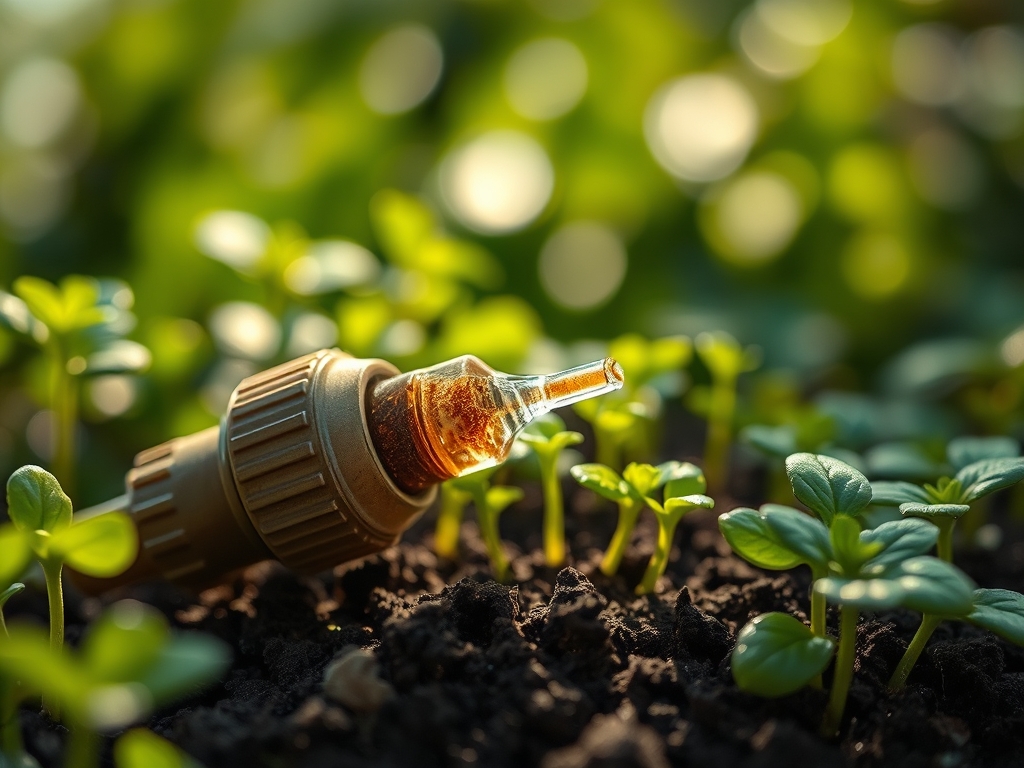
9 Irrigation Benefits of Using a Liquid Fertilizer Injector Indoors
Indoor cultivation demands precision that traditional watering methods cannot deliver. Using a liquid fertilizer injector for indoor systems transforms nutrient delivery from guesswork into measurable science. The injector metes out soluble fertilizers at predetermined ratios, ensuring each root zone receives exactly what photosynthesis requires without salt accumulation or leaching waste.
Materials

Select a proportional injector rated between 1:100 and 1:200 dilution ratios for substrate-based systems. Liquid fertilizers formulated for injection typically register pH values between 5.5 and 6.5, matching the optimal cation exchange capacity of peat and coir blends. A balanced 5-5-5 NPK concentrate suits seedlings and leafy crops during vegetative phases. Fruiting plants respond to 4-8-7 formulations that elevate phosphorus and potassium for reproductive development. Calcium nitrate solutions at 15.5-0-0 prevent blossom-end rot in tomatoes and peppers when injected separately from phosphate feeds to avoid precipitation. Chelated micronutrient blends containing iron EDTA, manganese sulfate, and zinc sulfate correct deficiencies without clogging emitter orifices. Backflow preventers and inline filters rated at 150 mesh protect municipal water supplies and injector mechanisms from particulate damage.
Timing
Indoor systems operate independently of hardiness zones, but circadian rhythms still govern nutrient uptake. Inject fertilizers during the first four hours of the photoperiod when stomatal conductance peaks and auxin distribution drives root hydraulic pressure. Seedlings tolerate injected nutrients at 50 parts per million nitrogen beginning at the cotyledon stage. Increase concentration to 100 ppm when true leaves fully expand, typically 10 to 14 days post-germination. Vegetative-stage plants require 150 to 200 ppm nitrogen, applied with every irrigation event when growing in soilless media. Reduce injection frequency to every third watering cycle in soil-based containers with existing nutrient reserves. Flowering initiation demands a two-week transition where nitrogen drops to 100 ppm while phosphorus climbs to 120 ppm, signaling reproductive hormone synthesis.
Phases

Sowing: Pre-charge germination substrate with a starter solution at 75 ppm nitrogen three hours before seeding. This primes the cation exchange sites without inducing osmotic stress on emerging radicles. Maintain substrate electrical conductivity below 1.0 mS/cm to prevent salt injury to hypocotyls.
Pro-Tip: Inoculate peat-based plugs with Trichoderma harzianum spores at 10^6 CFU per cubic centimeter before injecting fertilizer to colonize root tips ahead of pathogenic fungi.
Transplanting: Irrigate transplants with half-strength injected solution (100 ppm nitrogen) immediately after setting to seal air pockets around root balls. The liquid fertilizer injector delivers dissolved nutrients directly to severed root hairs, accelerating cambium repair and minimizing transplant shock. Monitor leachate electrical conductivity daily for the first week. Values exceeding 2.5 mS/cm indicate excessive salt buildup requiring a clear-water flush.
Pro-Tip: Prune lateral shoots at 45-degree angles two days post-transplant to redirect carbohydrate reserves toward root establishment rather than foliar expansion.
Establishing: Once adventitious roots penetrate the surrounding substrate, typically 14 to 21 days after transplanting, increase injection concentration to full vegetative rates. Inject at every watering to maintain constant nutrient availability in the rhizosphere. Fertigation replaces leached mobile nutrients like nitrogen and potassium that passive capillary action cannot redistribute from deeper substrate layers.
Pro-Tip: Alternate calcium nitrate injections with complete NPK formulas on a two-day rotation to maximize calcium mobility without forming insoluble calcium phosphate complexes.
Troubleshooting
Symptom: Interveinal chlorosis on young leaves with green veins.
Solution: Iron deficiency from high substrate pH. Lower injected solution to pH 5.8 using phosphoric acid and add chelated iron at 2 ppm until new growth regains color.
Symptom: Tip burn and marginal necrosis on mature leaves.
Solution: Potassium deficiency or excess salinity. Test leachate electrical conductivity. If below 2.0 mS/cm, increase potassium sulfate in injection to 180 ppm. If above 3.0 mS/cm, flush with clear water at twice container volume.
Symptom: Stunted growth with dark green foliage and purple leaf undersides.
Solution: Phosphorus lockout from cold substrate temperatures below 60 degrees Fahrenheit. Raise root-zone temperature and inject monoammonium phosphate at 50 ppm for five consecutive days.
Symptom: Algae growth on substrate surface and inside irrigation lines.
Solution: Light penetration and excess nitrogen. Reduce nitrogen injection by 25 percent, apply opaque mulch, and flush lines weekly with hydrogen peroxide solution at 1 percent concentration.
Maintenance
Calibrate injectors monthly by measuring actual output concentration with an electrical conductivity meter against the manufacturer's injection ratio. Flush fertilizer stock tanks every two weeks to prevent microbial biofilm formation. Replace inline filters when pressure differential exceeds 5 psi. Inject 0.5 inches of water per container volume daily for peat-based substrates, 0.75 inches for coir blends. Maintain 20 to 30 percent leaching fraction to prevent salt accumulation. Record electrical conductivity and pH of both injected solution and leachate in a cultivation log. Adjust injection ratios when leachate pH drifts beyond 0.3 units from target or electrical conductivity exceeds input values by more than 1.0 mS/cm.
FAQ
How often should I inject fertilizer indoors?
Inject with every watering for soilless media. Soil-based containers require injection every third irrigation to avoid nutrient excess.
Can I use the same injector for different fertilizer types?
Yes, but flush lines with 2 gallons of clear water between formulations to prevent chemical reactions that form precipitates.
What dilution ratio works best for home systems?
A 1:100 ratio provides adequate precision for containers under 5 gallons. Larger systems benefit from 1:200 ratios for finer concentration control.
Does water temperature affect injection accuracy?
Injectors calibrated at 68 degrees Fahrenheit deliver 8 percent less concentrate at 50 degrees. Compensate by increasing stock solution concentration proportionally.
How do I prevent injector siphoning when the system shuts off?
Install a vacuum breaker on the water supply line upstream of the injector to admit air and break siphon pressure.