6 Stability Steps for Repotting a Jade Plant
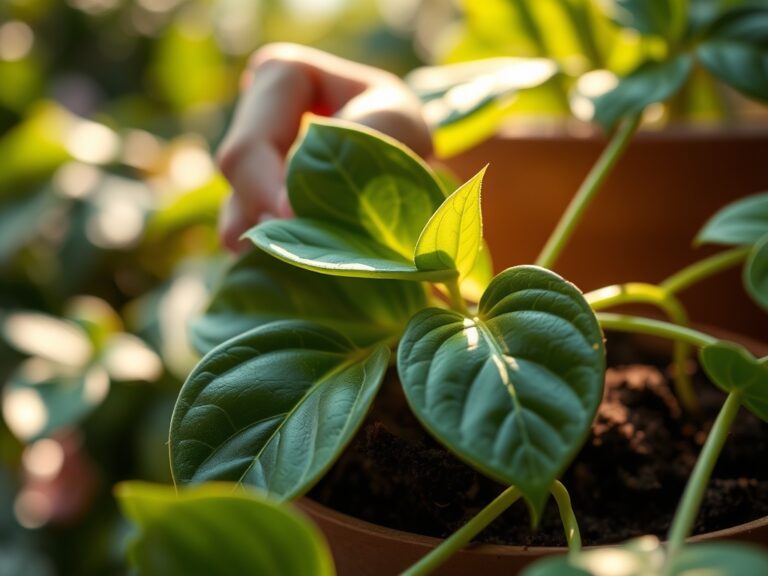
The smell of damp, mineral-rich earth signals a transition for the Crassula ovata. A healthy specimen exhibits high turgor pressure; its leaves are firm, thick, and resist compression when squeezed between the thumb and forefinger. When the root mass begins to circle the interior of the pot, the plant enters a state of physiological stress that limits its growth potential. Executing the correct steps for repotting a jade plant ensures the specimen maintains its structural integrity and metabolic efficiency. This process is not merely about providing more space. It is a calculated intervention to refresh the rhizosphere and improve the cation exchange capacity of the growing medium. A jade plant that remains pot-bound for too long will eventually suffer from reduced nutrient uptake and weakened stem lignification. By carefully timing the transplant and selecting the appropriate substrate, a grower can stimulate a flush of new vegetative growth. The goal is a stable, upright succulent that can support its own heavy, water-stored canopy without mechanical failure.
Materials:
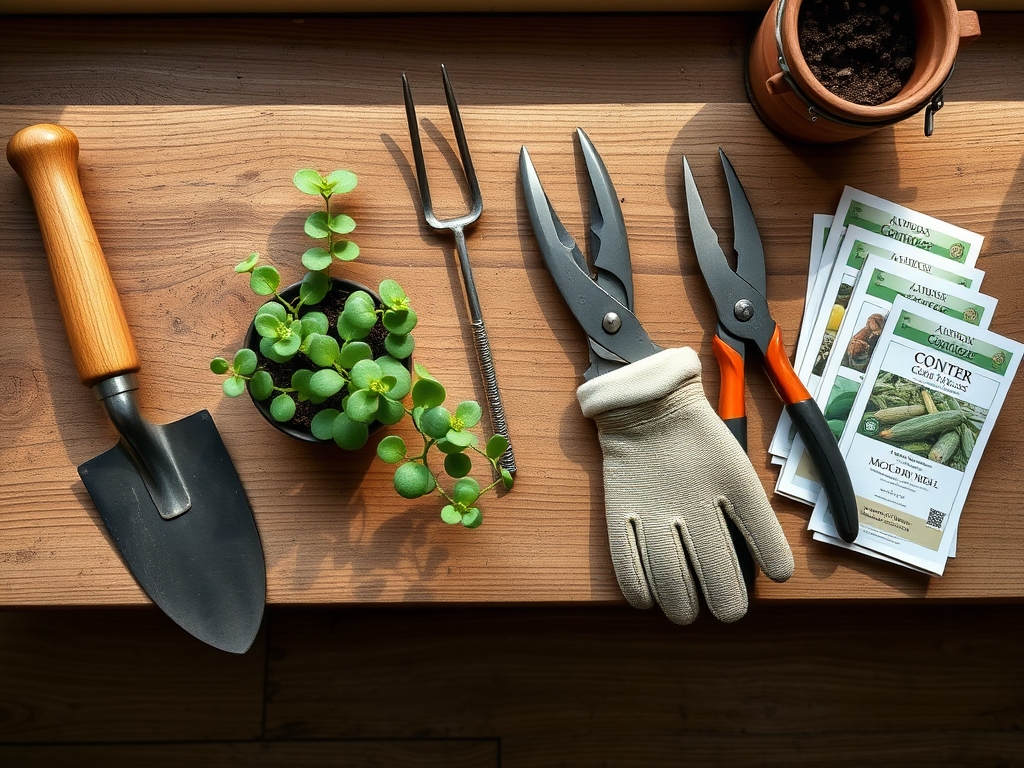
The ideal substrate for Crassula ovata is a friable loam with high porosity to prevent anaerobic conditions. The soil pH must be maintained between **6.0 and 7.0** for optimal nutrient availability. A custom mix should consist of **40 percent inorganic grit** such as perlite or crushed lava rock; **40 percent coarse sand**; and **20 percent organic matter** like coconut coir or composted bark.
For the initial establishment phase, utilize a low-concentration fertilizer with an NPK ratio of 5-10-5. High phosphorus levels encourage root elongation rather than rapid, weak foliage growth. The container must be heavy; terracotta is preferred due to its porous nature which allows for gas exchange and moisture evaporation through the sidewalls. Ensure the pot has at least one drainage hole with a diameter of 0.5 inches to prevent water stagnation. Avoid glazed ceramic pots that trap moisture and increase the risk of fungal pathogens in the root zone.
Timing:
In Hardiness Zones 9 through 11, jade plants can remain outdoors year-round. However, for most growers, the transition occurs indoors. The biological clock of the jade plant is governed by the photoperiod. The most effective window for repotting is late spring or early summer, specifically two to four weeks after the last frost date. During this period, the plant exits its semi-dormant winter state and enters a phase of active vegetative growth.
Transplanting during the active growth phase allows the root system to recover quickly due to higher metabolic rates. If you attempt these steps for repotting a jade plant during the winter senescence, the roots will remain stagnant in the new soil; this increases the probability of root rot. Observe the plant for new terminal leaf buds; this is the physiological signal that the vascular system is ready to support the shock of a transplant.
Phases:
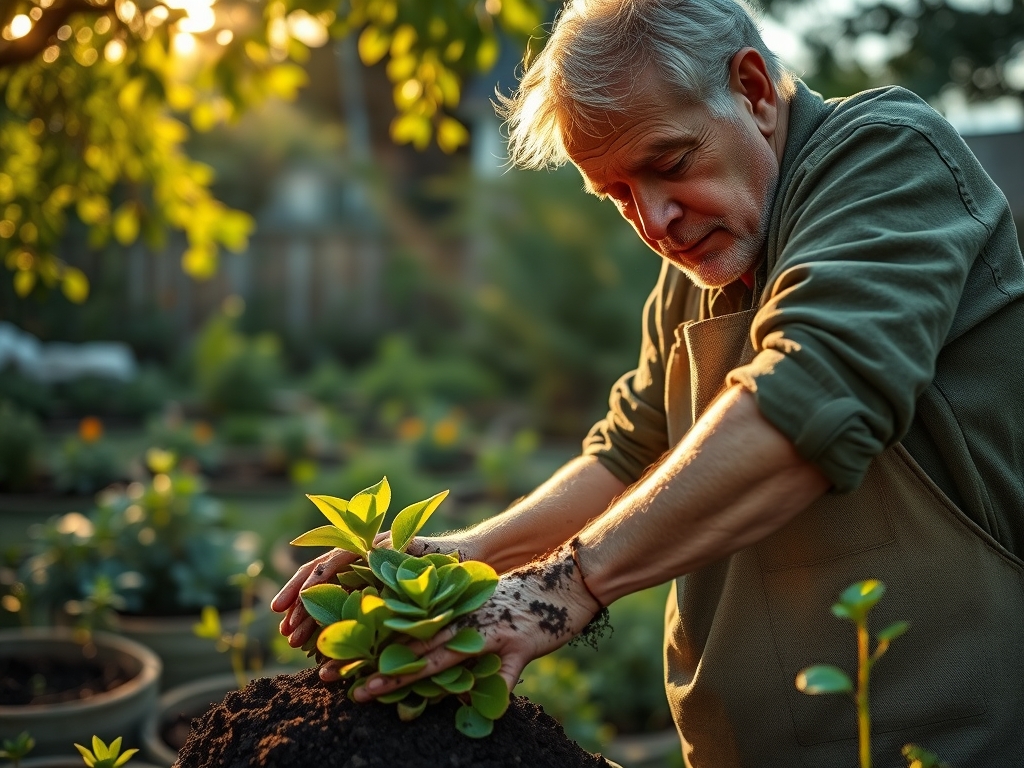
Extraction and Root Pruning
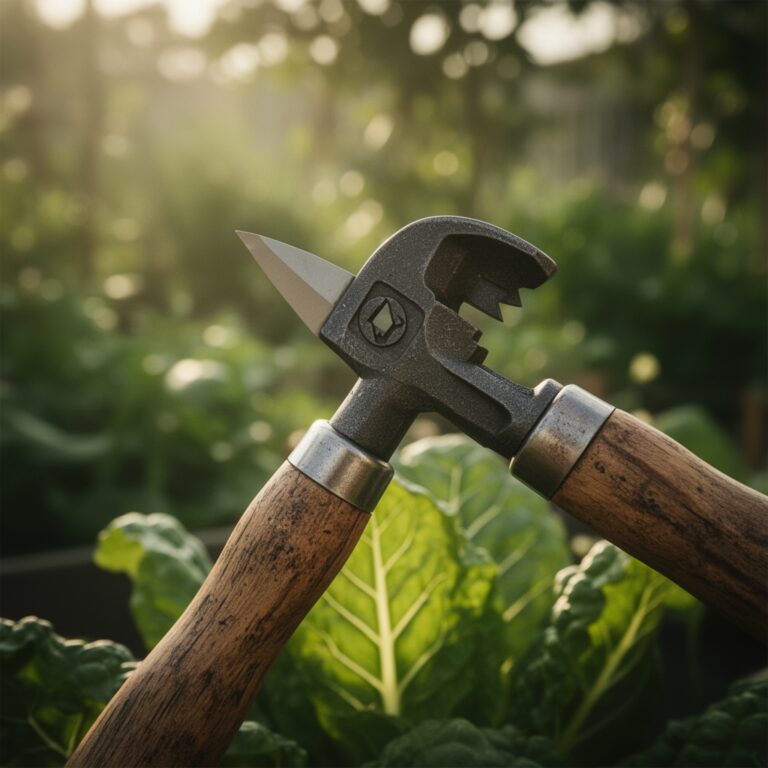
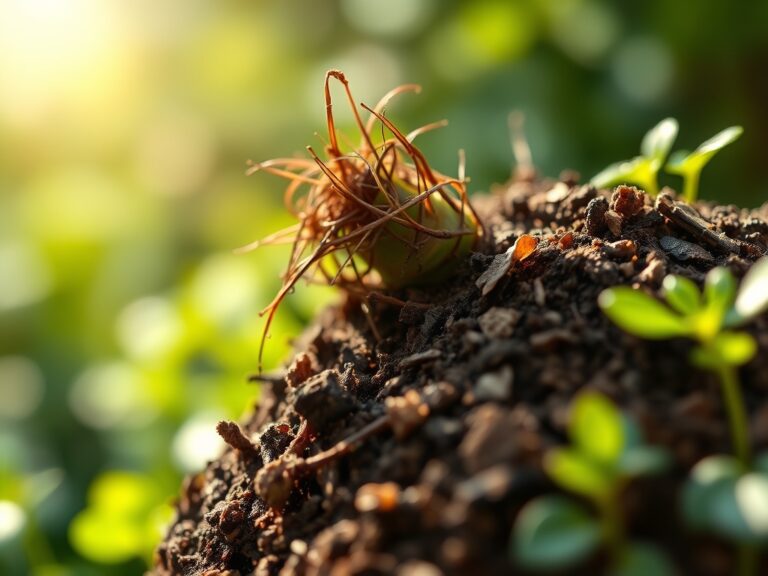
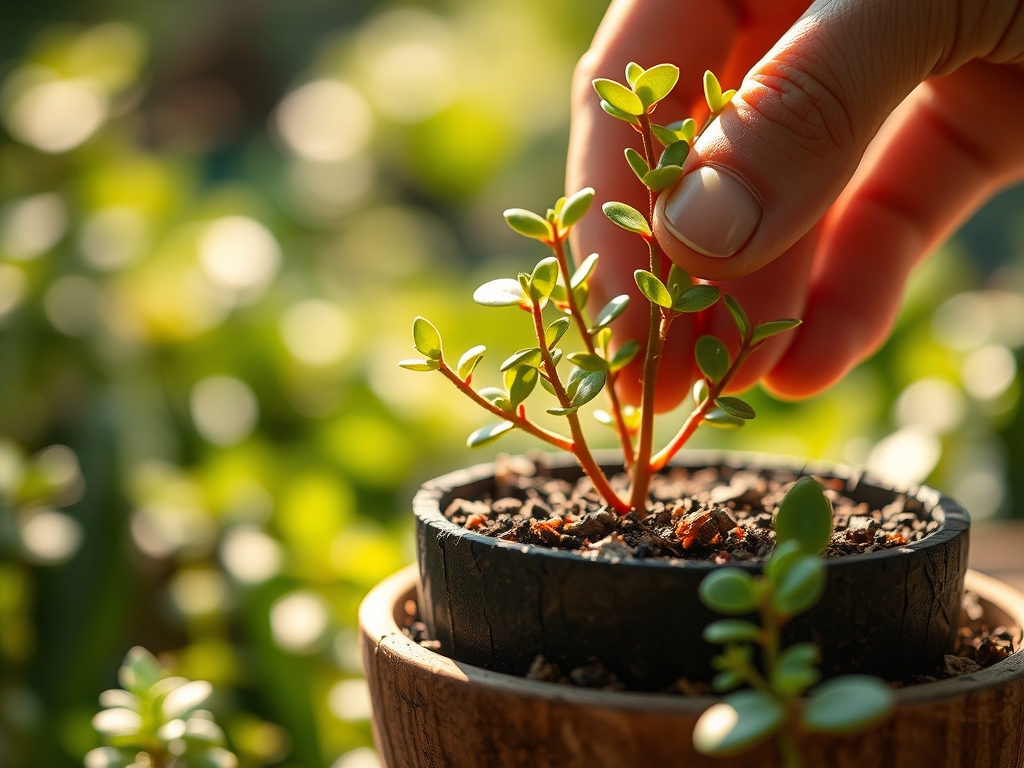
Remove the plant by inverting the pot and supporting the main trunk. If the plant is stuck, use a hori-hori knife to slice along the inner perimeter of the container. Inspect the root ball for circling roots. Use sterilized bypass pruners to make clean vertical cuts into the root mass to break the circular pattern.
Pro-Tip: Pruning the roots stimulates the production of auxins. These hormones shift from the apical meristem to the root tips, triggering the development of new lateral roots that can better interface with the fresh substrate.
Transplanting into the New Vessel
Place a layer of the prepared substrate at the bottom of the new pot. Position the jade plant so that the previous soil line sits 1 inch below the rim. Fill the gaps with soil, using a wooden dowel to eliminate air pockets without over-compressing the medium. The soil should be firm enough to support the plant's weight but loose enough to allow rapid water infiltration.
Pro-Tip: Maintaining the original soil depth prevents stem rot. Burying the trunk deeper than its original level can lead to the decay of the cortical tissues because they lack the specialized epidermal protection found in true roots.
Establishing the Specimen
Place the repotted jade in a location with bright, indirect light for seven to ten days. Do not water immediately. Allow the pruned roots to callus over in the dry soil to prevent pathogens from entering the open vascular wounds. After the waiting period, provide a deep watering until liquid exits the drainage holes.
Pro-Tip: This period of "dry establishment" utilizes the plant's stored water reserves. It forces the plant to seek out moisture, encouraging mycorrhizal symbiosis if beneficial fungi are present in the soil mix.
The Clinic:
Monitoring the plant after the steps for repotting a jade plant is vital for long-term health.
-
Symptom: Yellowing of lower leaves (Chlorosis).
Solution: This typically indicates a Nitrogen deficiency. Apply a balanced liquid fertilizer at half-strength during the next watering cycle to restore chlorophyll production. -
Symptom: Soft, translucent leaves or "mushy" stems.
Solution: This is a sign of overwatering or poor drainage. Remove the plant immediately, prune away necrotic (black) roots, and repot in a mix with 60 percent inorganic grit. -
Symptom: Wrinkled, thin leaves.
Solution: The plant is experiencing low turgor pressure due to dehydration. Increase watering frequency but ensure the substrate dries completely between applications. -
Symptom: Stretched, leggy growth (Etiolation).
Solution: The plant is seeking more light. Gradually move the specimen to a location with at least six hours of direct sunlight to maintain a compact, structural form.
Maintenance:
Post-repotting maintenance requires precision. Use a soil moisture meter to verify that the internal root zone is dry before adding water. Typically, a jade plant requires a deep soak every 14 to 21 days depending on ambient humidity and temperature. During the peak growing season, aim for the equivalent of 1.5 inches of water applied directly to the soil surface.
Avoid overhead watering to prevent moisture from sitting in the leaf axils, which can harbor fungal spores. Every six months, use a damp cloth to wipe dust from the leaves; this maximizes the efficiency of the stomata for gas exchange. If the plant becomes top-heavy, use your bypass pruners to head back long branches just above a leaf node. This encourages a thicker, more arborescent trunk.
The Yield:
While jade plants are not typically harvested for consumption, their "yield" is measured in structural biomass and propagation material. When pruning for shape, the removed cuttings can be used to create new clones. Allow the cuttings to dry for five days until a hard callus forms over the wound. Insert the callused end into a sandy substrate. Within three to four weeks, the cutting will develop its own adventitious roots. This ensures a "day-one" freshness for the new clone, as it begins its life cycle with a fully functional vascular system.
FAQ:
How do I know when to repot?
Repot when roots emerge from drainage holes or the plant becomes top-heavy. This usually occurs every two to three years. If the water sits on the soil surface without draining, the substrate has collapsed and needs replacement.
What is the best soil pH for jade?
Maintain a pH between 6.0 and 7.0. This range ensures the highest cation exchange capacity, allowing the roots to efficiently absorb essential macronutrients like Nitrogen, Phosphorus, and Potassium from the rhizosphere.
Can I use standard potting soil?
Standard soil retains too much moisture. Modify it by adding 50 percent coarse grit or perlite. Without this modification, the high organic content will lead to anaerobic conditions and subsequent root senescence.
How long should I wait to water after repotting?
Wait seven days before the first watering. This allows root injuries sustained during the steps for repotting a jade plant to callus. Immediate watering can introduce bacteria into the plant's vascular system through open wounds.