9 Targeted Steps to Use a Specialized Bonsai Fertilizer
The scent of damp akadama and the tactile resistance of a leaf with high turgor pressure define the daily reality of a master grower. Maintaining this balance requires more than water; it demands a precise nutrient strategy. Using a specialized bonsai fertilizer is the only way to sustain a tree confined to a shallow ceramic vessel where the rhizosphere is restricted and the Cation Exchange Capacity (CEC) is naturally low. Without targeted supplementation, the tree will succumb to cellular exhaustion.
Success in this discipline is not measured by rapid growth but by the refinement of internode length and the thickening of the trunk. A standard garden fertilizer contains high concentrations of salts that can desiccate delicate root hairs. By contrast, a specialized formulation focuses on slow-release organic compounds or highly diluted mineral salts that mirror the nutrient density found in mountain crevices. You are managing a closed system. Every gram of nitrogen, phosphorus, and potassium must be accounted for to prevent the accumulation of toxic minerals in the substrate.
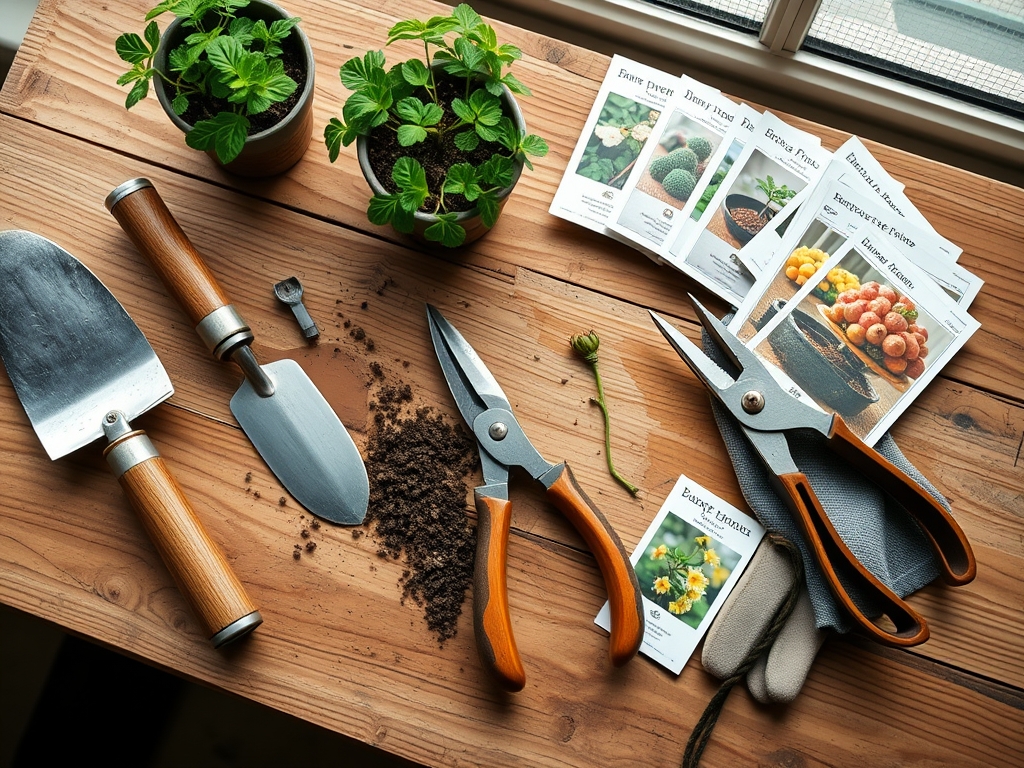
Materials:
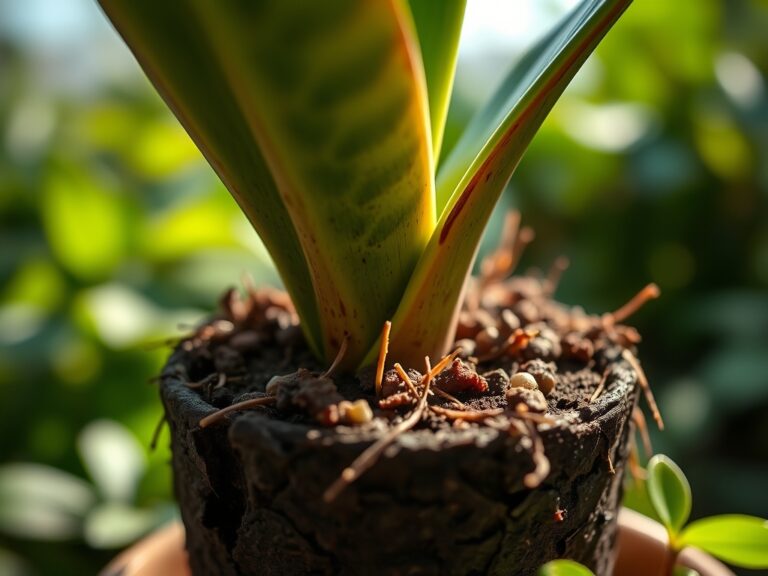
The substrate must be a friable mix of 70 percent inorganic aggregate (such as pumice or lava rock) and 30 percent organic matter (such as decomposed pine bark). This ratio ensures a high oxygen environment for root respiration. The target soil pH for most deciduous species is 6.0 to 7.0, while conifers prefer a slightly more acidic range of 5.5 to 6.5.
When selecting your fertilizer, analyze the NPK ratio on the label. For spring growth, use a 10-10-10 balanced formula to support overall vigor. During the late summer and autumn, switch to a 0-10-10 or 3-10-10 ratio. High phosphorus and potassium levels encourage lignification (the hardening of wood) and bud development for the following season. Avoid fertilizers with high urea content; instead, look for sources like fish emulsion, bone meal, or cottonseed meal which break down slowly through microbial activity.
Timing:
The application schedule is dictated by the Biological Clock of the tree and the Hardiness Zone of your region. In Zones 7 through 9, the growing season typically begins in late March. Never fertilize a tree that is in deep dormancy or one that has just been repotted. Wait for the first flush of growth to harden off before introducing nutrients.
The most critical window is the transition from the vegetative stage to the reproductive or hardening stage. Stop using high-nitrogen fertilizers by mid-August in temperate climates. This prevents the tree from producing soft, succulent growth that would be destroyed by the first frost. In the weeks leading up to the first frost date, the tree shifts its energy from leaf production to starch storage in the roots. Using a specialized bonsai fertilizer during this period should focus exclusively on potassium to regulate osmotic pressure and increase cold hardiness.
Phases:
Sowing and Early Development
Seedlings require a sterile medium with zero initial nutrient load to prevent damping off. Once the first set of true leaves appears, begin with a 25 percent strength liquid fertilizer. This encourages the development of a dense, fibrous root system rather than a single long taproot.
Pro-Tip: Maintaining low nitrogen levels at this stage prevents leggy growth. This is due to auxin suppression; by controlling the nitrogen, you limit apical dominance and encourage the tree to develop lower lateral branching earlier in its life cycle.
Transplanting and Recovery
After repotting a bonsai, the root system is traumatized and the fine root hairs are broken. Do not use fertilizer for at least 21 to 28 days post-transplant. Instead, focus on maintaining high humidity and consistent moisture. Use a soil moisture meter to ensure the core of the root ball stays at 40 to 60 percent saturation.
Pro-Tip: The delay in fertilization allows for mycorrhizal symbiosis to re-establish. These beneficial fungi colonize the root tips and assist in phosphorus uptake; premature chemical fertilization can inhibit this natural partnership and weaken the tree's long-term immunity.
Establishing and Refinement
Once the tree is established in its "final" pot, the goal shifts to maintenance. Apply solid organic fertilizer cakes (often called "sumo cakes") to the soil surface. These break down every time you water, providing a consistent, low-level stream of nutrients that mimics the natural decay of forest floor litter.
Pro-Tip: Refinement pruning and fertilization are linked through phototropism. By keeping the tree well-nourished but not over-fed, you ensure that the leaves remain small. Large leaves are a sign of nitrogen excess, as the plant attempts to maximize surface area for photosynthesis to process the surplus nutrients.
The Clinic:
Physiological disorders often mimic pest damage but are usually rooted in chemical imbalances.
- Symptom: Interveinal Chlorosis. The leaves turn yellow while the veins remain dark green.
- Solution: This indicates an Iron or Magnesium deficiency, often caused by a pH that is too high (alkaline). Flush the soil with distilled water and apply a chelated iron supplement.
- Symptom: Leaf Tip Burn. The edges of the leaves turn brown and brittle.
- Solution: This is typically "fertilizer burn" caused by salt accumulation. Leach the substrate by watering heavily for three consecutive days without adding nutrients.
- Symptom: Stunted Growth and Purple Foliage.
- Solution: This is a Phosphorus deficiency. It often occurs in early spring when soil temperatures are below 50 degrees Fahrenheit, as roots cannot absorb phosphorus in cold soil. Move the tree to a warmer location.
Fix-It: For Nitrogen chlorosis (overall pale green or yellow leaves), apply a liquid seaweed extract. It provides a rapid boost of bio-available nitrogen and trace minerals to restore chlorophyll production.
Maintenance:
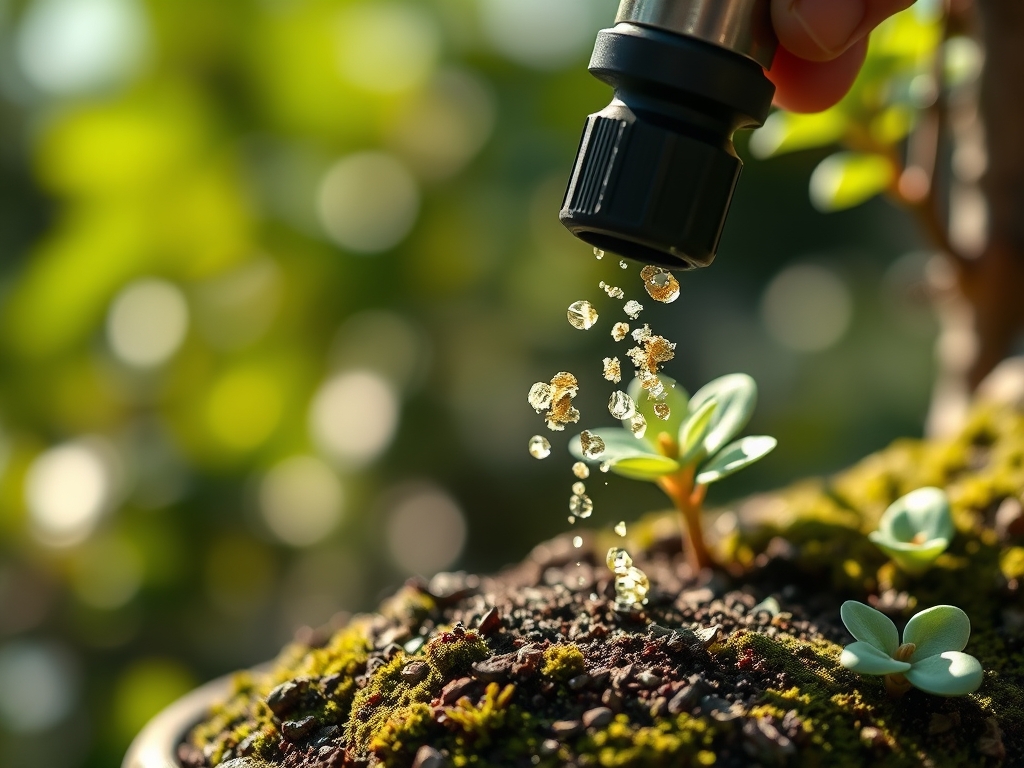
Precision is the hallmark of a master. Use a soil moisture meter daily; do not water on a set schedule. Most bonsai require approximately 1.5 inches of water per week delivered directly to the drip line. When using liquid fertilizers, always dampen the soil with plain water first. Applying fertilizer to bone-dry soil can cause immediate root desiccation.
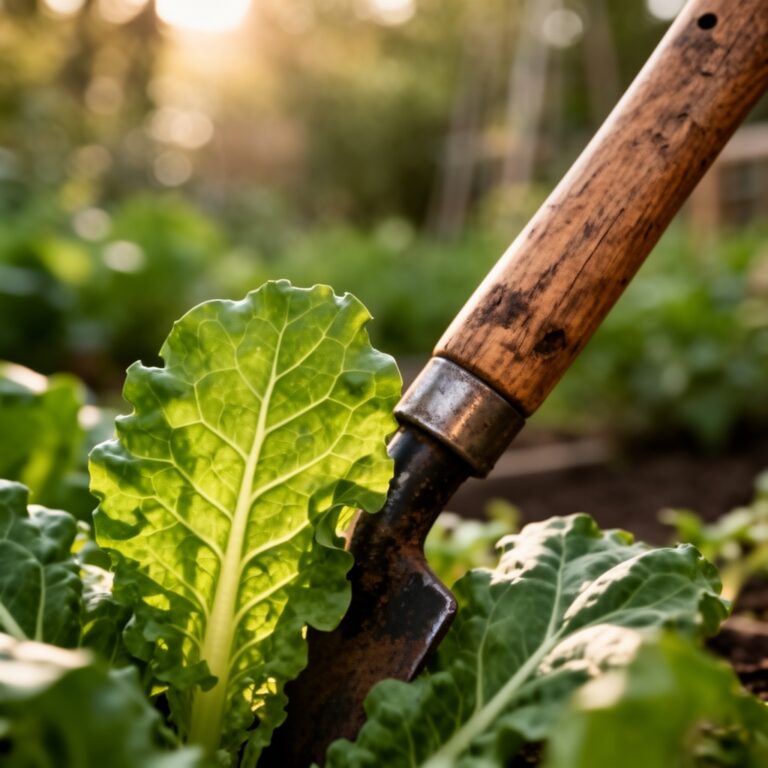
Keep your bypass pruners and hori-hori knife sanitized with isopropyl alcohol between trees to prevent the spread of pathogens. If you notice the soil surface becoming compacted or covered in a thick layer of moss that prevents water penetration, use a chopstick to gently aerate the top 0.5 inches of the substrate. This ensures that the specialized fertilizer reaches the active root zone rather than washing off the sides of the pot.
The Yield:
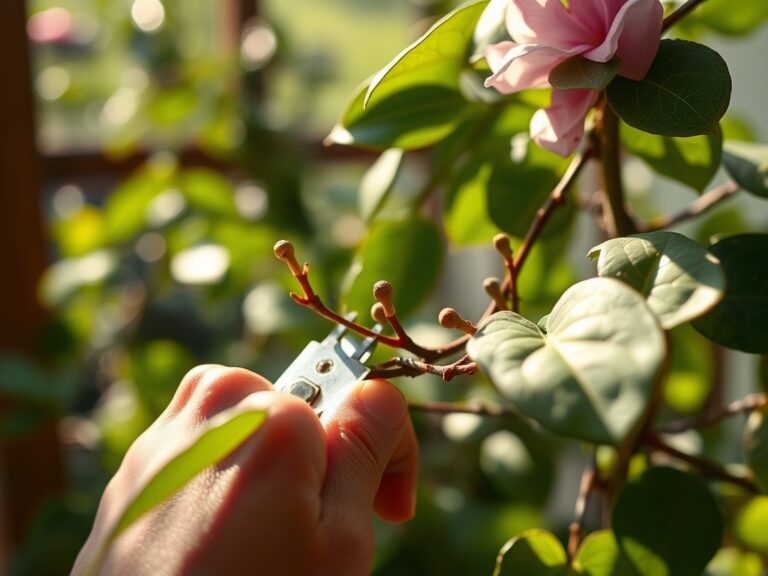
While bonsai are rarely grown for food, the "yield" is the aesthetic maturity and the health of the reproductive organs (flowers or fruit). For flowering species like Satsuki Azaleas or Crabapples, timing the fertilizer withdrawal is essential. Stop all nitrogen application once the flower buds show color. This preserves the energy of the tree for the bloom rather than foliage growth. After the petals fall, remove the developing seed pods with bypass pruners to prevent the tree from entering a state of senescence, which would deplete its starch reserves for the following year.
FAQ:
Can I use standard blue-powder garden fertilizer?
No. Standard fertilizers have high salt indexes that can kill confined bonsai roots. Using a specialized bonsai fertilizer ensures a lower NPK concentration and includes essential micronutrients like boron and manganese required for container-grown trees.
How often should I apply liquid fertilizer?
During the active growing season, apply a half-strength liquid solution every 10 to 14 days. This frequency maintains a steady nutrient gradient in the inorganic substrate, which has low natural nutrient retention.
What is the best time of day to fertilize?
Apply fertilizer in the early morning when temperatures are between 60 and 75 degrees Fahrenheit. This allows the tree to process the nutrients during peak photosynthetic hours and prevents the solution from evaporating too quickly.
Why are organic pellets better than liquids?
Organic pellets provide a slow-release mechanism triggered by microbial activity and water. This creates a stable environment for the rhizosphere, preventing the "boom and bust" cycle of nutrient availability common with synthetic liquid feeds.