7 Nutrient Benefits of Using a Specialized Fern Potting Mix
The smell of decomposing forest floor matter is the scent of biological efficiency. When a frond exhibits maximum turgor pressure, it stands rigid because the cellular vacuoles are fully distended with water; a feat only possible when the substrate provides the exact hydraulic conductivity required. Using a specialized fern potting mix ensures that the delicate, fibrous root systems of the Pteridophyta division do not succumb to anaerobic conditions. Standard potting soils often compress over time, crushing the fine root hairs that are responsible for nutrient uptake. A specialized medium maintains a high porosity, allowing for gas exchange within the rhizosphere while simultaneously retaining a film of moisture around each particle. This balance is not a suggestion but a physiological requirement for species that have evolved over 360 million years to thrive in high-humidity, low-light niches. By mimicking the O-horizon of a forest soil profile, the grower provides the structural and chemical foundation necessary for vigorous vegetative growth and the successful development of sori on the underside of mature pinnae.
Materials:
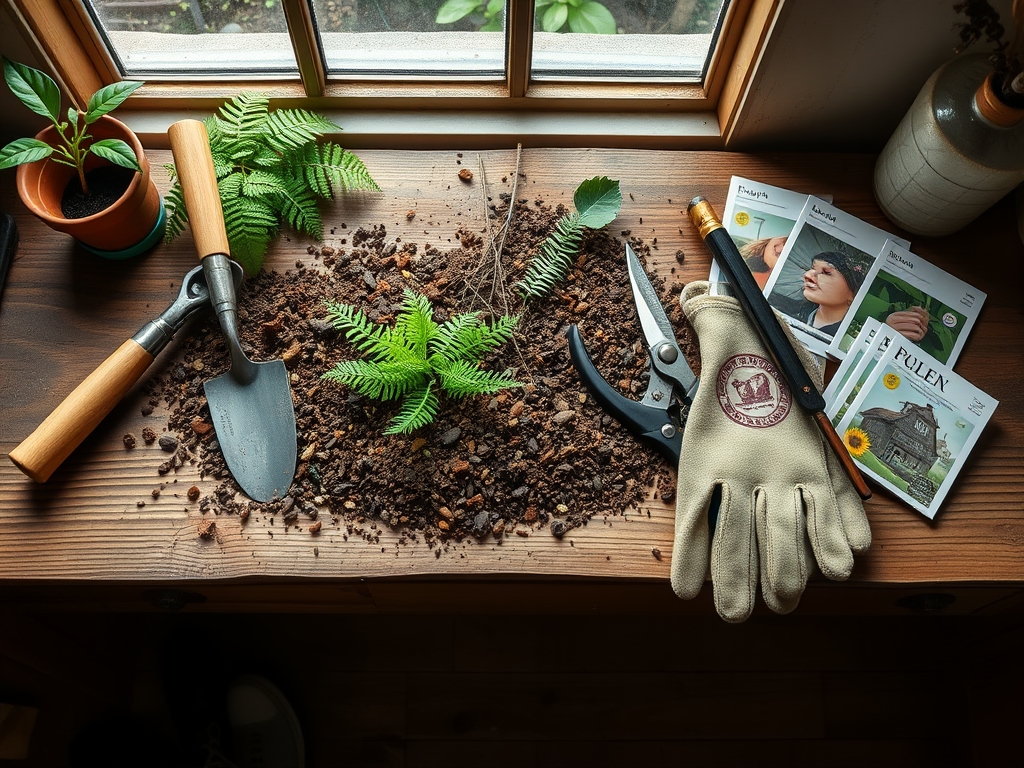
The chemical composition of a high-performance fern substrate must target a **pH range of 5.5 to 6.5**. Most ferns are acidophilic or neutral-leaning; a pH above 7.0 often leads to iron and manganese sequestration, causing interveinal chlorosis. The **NPK ratio** for the initial mix should be low and slow-releasing, typically around **2-1-2 or 3-1-2**. Excessive nitrogen can lead to “lush” but structurally weak fronds that are susceptible to collapse.
The physical texture must be a friable loam or a peat-based "soilless" aggregate. A professional-grade mix consists of 40 percent long-fiber sphagnum peat moss for moisture retention, 30 percent perlite or pumice for aeration, and 30 percent composted pine bark to provide a steady supply of tannins and organic acids. This combination ensures a high Cation Exchange Capacity (CEC), allowing the soil to hold onto essential ions like potassium (K+) and magnesium (Mg2+) until the plant requires them for metabolic processes.
Timing:
Ferns are most active during the transition from the vernal equinox to the summer solstice. In Hardiness Zones 3 through 8, outdoor ferns should be handled after the last frost date, typically when soil temperatures consistently reach 55 degrees Fahrenheit. For indoor specimens, the biological clock is governed by the photoperiod. As day length increases, the plant transitions from a semi-dormant state to a rapid vegetative phase.
Repotting or initial planting should occur during this early spring window. This allows the root system to establish itself before the high-evapotranspiration demands of mid-summer. In Zones 9 through 11, where the "frost-free" window is nearly year-round, the primary constraint is heat stress. Avoid disturbing the root ball when ambient temperatures exceed 85 degrees Fahrenheit, as this can induce systemic shock and permanent wilting.
Phases:

Sowing and Spore Propagation
Propagating from spores requires a sterile, finely milled version of a specialized mix. The substrate must be saturated with distilled water and kept at a constant 70 to 75 degrees Fahrenheit. Unlike seeds, spores require a thin film of water for the sperm to swim from the antheridia to the archegonia on the prothallus.
Pro-Tip: Maintain 100 percent humidity using a clear dome to facilitate syngamy. The biological why involves the lack of vascular tissue in the gametophyte stage; without a constant water film, fertilization cannot occur, and the sporophyte will never emerge.
Transplanting
When moving a fern to a larger vessel, ensure the new container is only 1 to 2 inches wider than the previous one. Using a specialized fern potting mix during this phase prevents "perched water tables" where the bottom of the pot remains saturated while the top dries out. Gently tease the outer roots to break any circular growth patterns.
Pro-Tip: Do not bury the crown of the fern. The biological why relates to apical meristem health. If the crown is submerged in substrate, gas exchange is inhibited, leading to crown rot caused by opportunistic fungal pathogens like Rhizoctonia.
Establishing
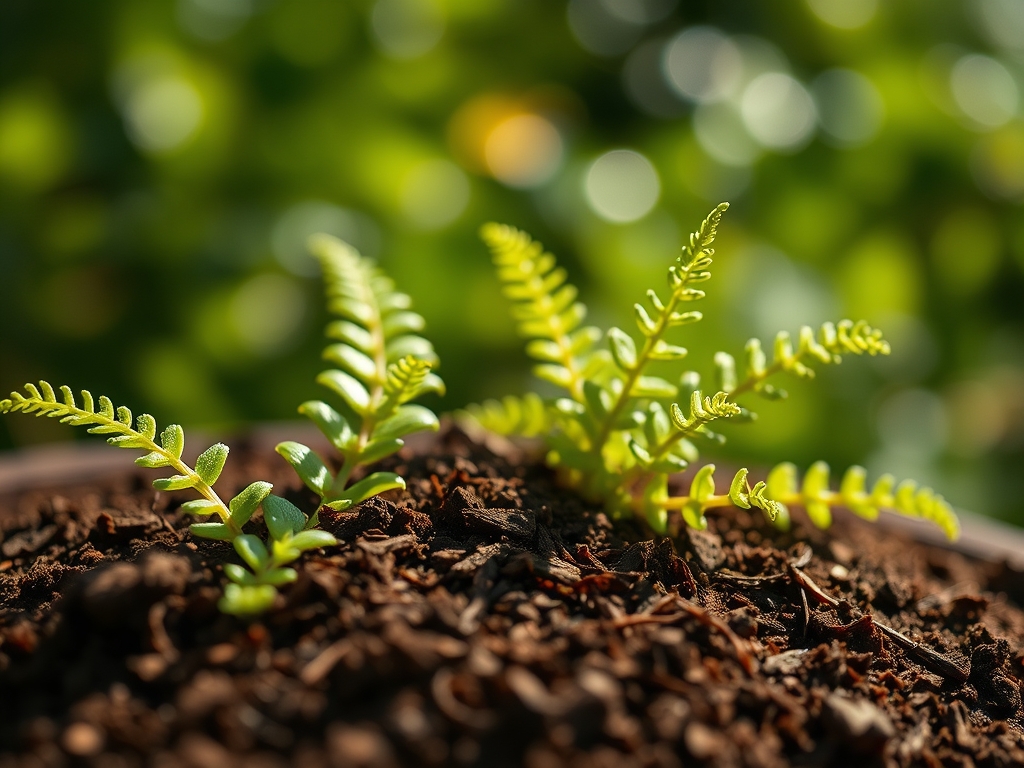
During the first 21 to 30 days post-transplant, the fern focuses on root expansion. Keep the substrate consistently moist but not waterlogged. Monitor the "fiddleheads" or crosiers for signs of expansion.
Pro-Tip: Avoid heavy fertilization during the first month. The biological why is centered on osmotic pressure. High salt concentrations from fertilizers can draw water out of the new, sensitive root tips via osmosis, causing "fertilizer burn" and stunted growth.
The Clinic:
Physiological disorders in ferns often manifest through the fronds. Identifying these early can save the specimen.
- Symptom: Brown, brittle frond tips.
- Solution: Increase ambient humidity to at least 50 percent. This is often a sign of excessive transpiration exceeding the root system's ability to supply water.
- Symptom: Yellowing of lower fronds (Chlorosis).
- Solution: Check for nitrogen deficiency or overwatering. If the soil is soggy, oxygen is excluded from the rhizosphere, leading to root death.
- Symptom: Pale, washed-out fronds with dark green veins.
- Solution: This is a classic sign of Magnesium deficiency. Apply a solution of 1 tablespoon of Epsom salts per gallon of water once a month to restore chlorophyll production.
- Fix-It for Nitrogen Chlorosis: If the entire plant is turning a pale lime green, apply a liquid kelp or fish emulsion at half-strength. These organic sources provide nitrogen in a form that is easily assimilated without the risk of salt buildup.
Maintenance:
Precision is the hallmark of successful fern care. Use a soil moisture meter to ensure the substrate remains at a "Level 4" (moist) but never a "Level 10" (saturated). Most ferns require approximately 1.5 inches of water per week, delivered directly to the soil at the drip line to avoid wetting the foliage, which can encourage foliar nematodes.
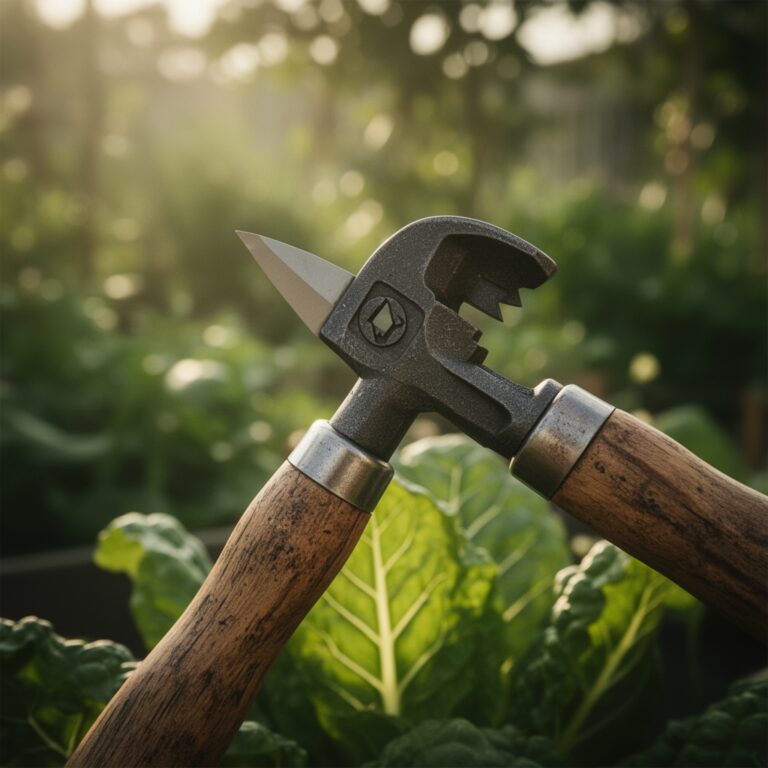
Pruning should be done with sharp bypass pruners sterilized with 70 percent isopropyl alcohol. Remove only the dead or senescing fronds at the base of the plant. If you are dividing a rhizomatous fern, a hori-hori knife is the ideal tool for cleanly slicing through the tough, woody rhizomes while minimizing tissue trauma.
The Yield:
While most ferns are grown for aesthetic purposes, some species like the Ostrich Fern (Matteuccia struthiopteris) provide an edible yield in the form of fiddleheads. Harvest these when they are no more than 2 to 6 inches tall and still tightly coiled. Use a sharp knife to cut the stem 1 inch above the ground.
To maintain "day-one" freshness, submerge the harvested fiddleheads in an ice-water bath immediately to arrest metabolic activity. They can be stored in a sealed container at 34 to 38 degrees Fahrenheit for up to five days. Never harvest more than one-third of the fiddleheads from a single crown to ensure the plant has enough photosynthetic capacity to recharge its rhizome for the following year.
FAQ:
Why does my fern need specialized mix instead of garden soil?
Garden soil contains clay particles that compact easily, suffocating fern roots. Specialized mixes use peat and perlite to maintain high porosity and aeration, ensuring the delicate root hairs can access oxygen and moisture simultaneously.
Can I use regular potting soil for my ferns?
Regular potting soil often has a high salt content and lacks the acidity ferns require. Using a specialized fern potting mix provides the necessary 5.5 to 6.5 pH and low-dosage nutrients to prevent root burn.
How often should I repot my fern into a new mix?
Repot every 12 to 24 months. Over time, organic components like peat moss break down and lose their aeration properties. Fresh mix restores the Cation Exchange Capacity and physical structure required for optimal growth.
What are the signs of a high-quality fern mix?
A high-quality mix feels spongy and lightweight. It should contain visible pieces of bark or perlite. When squeezed while damp, it should hold its shape momentarily but crumble easily when touched, indicating a friable texture.