8 Health Steps to Prune an Indoor Olive Tree for Shape
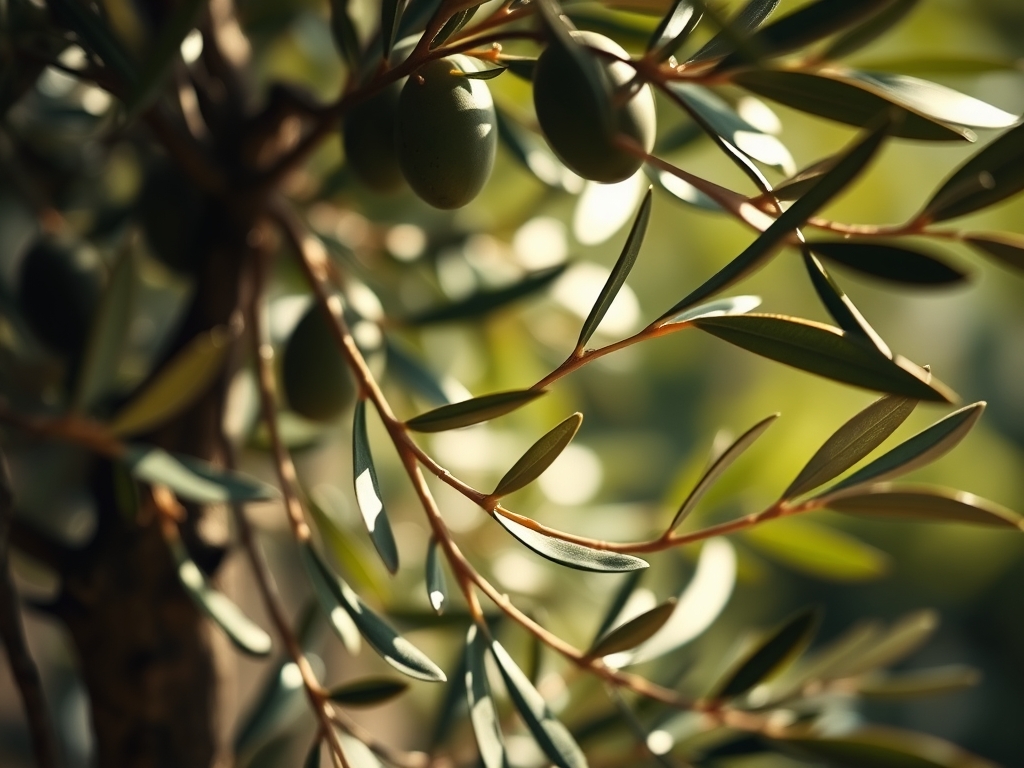
Crushing a sun-warmed olive leaf between your fingers releases a sharp, peppery scent of oleuropein; a chemical signal of a tree in high metabolic health. Maintaining this vigor indoors requires more than just sunlight. It demands a rigorous understanding of the Steps for pruning an indoor olive tree to manage apical dominance and canopy airflow. A healthy Olea europaea exhibits high turgor pressure in its silver-green foliage, indicating a robust vascular system capable of transporting minerals from the rhizosphere to the highest terminal buds.
Materials:
Indoor olive trees require a substrate with high porosity and a **Soil Cation Exchange Capacity (CEC)** that allows for efficient nutrient uptake without salt accumulation. The ideal medium is a **friable loam** composed of 40 percent inorganic grit, such as pumice or perlite, to ensure rapid drainage. Maintain a **soil pH between 6.5 and 7.5**.
Nutritional requirements shift based on the growth phase. During the active vegetative period, apply a fertilizer with an NPK ratio of 20-10-10. This high nitrogen content supports chlorophyll production and leaf expansion. As the tree matures or enters a reproductive phase, transition to a 10-30-20 formula to encourage lignification of the stems. Ensure the fertilizer includes micronutrients like boron and magnesium, as olives are particularly sensitive to these deficiencies in container environments.
Timing:
While indoor environments are shielded from the extremes of USDA Hardiness Zones 8 through 11, the tree still operates on a biological clock dictated by the photoperiod. The most effective window for heavy structural pruning is late winter or early spring, just before the spring flush. This timing aligns with the transition from winter dormancy to active vegetative growth.
Pruning during this window minimizes sap loss and allows the tree to seal wounds rapidly through the formation of callus tissue. Avoid pruning in late autumn; this stimulates new, succulent growth that is highly susceptible to the low humidity and reduced light levels of winter interiors. The tree requires a chilling period of roughly 200 to 300 hours below 45 degrees Fahrenheit to trigger reproductive stages, though many indoor growers prioritize foliage density over fruit production.
Phases:
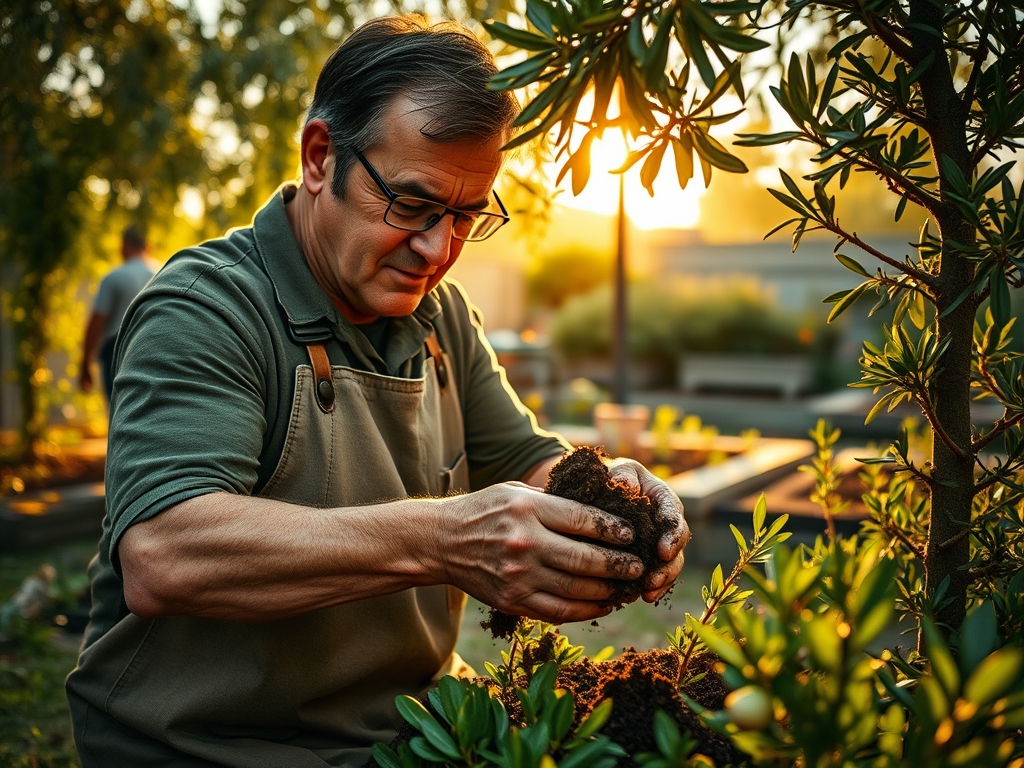
Sowing and Germination
Starting from seed requires scarification of the hard endocarp to allow moisture penetration. Maintain a constant soil temperature of 70 to 75 degrees Fahrenheit. Germination is slow, often taking 30 to 90 days.
Pro-Tip: Maintain consistent moisture to support imbibition, the physical process where the seed absorbs water to activate metabolic enzymes.
Transplanting and Root Management
When the seedling reaches six inches, transplant it into a terracotta vessel to facilitate gas exchange at the root zone. Ensure the root flare remains visible at the soil surface to prevent crown rot.
Pro-Tip: Inoculate the substrate with arbuscular mycorrhizal fungi to extend the reach of the root system and improve phosphorus uptake through a symbiotic exchange of carbohydrates.
Establishing the Central Leader
For an indoor tree, a single clear trunk provides the best structural integrity. Remove any suckers emerging from the base of the trunk immediately. This directs the tree's energy upward into the primary scaffold branches.
Pro-Tip: Use auxin suppression by pinching off the terminal buds of lateral branches. This redirects growth hormones to lower nodes, encouraging a bushier and more compact canopy.
The Clinic:
Monitoring physiological disorders is essential for long-term health.
Symptom: Interveinal chlorosis on new leaves.
Solution: This typically indicates an Iron (Fe) deficiency, often caused by a soil pH that is too alkaline, locking out micronutrients.
Fix-It: Apply a chelated iron drench and verify that the irrigation water is not excessively "hard" or alkaline.
Symptom: Leaf drop and blackened root tips.
Solution: This is a sign of Anoxia, or lack of oxygen in the rhizosphere due to saturated soil.
Fix-It: Increase the percentage of inorganic grit in the soil and reduce irrigation frequency. Ensure the pot has a minimum of three drainage holes.
Symptom: Tip burn on older foliage.
Solution: This suggests Boron toxicity or salt accumulation from synthetic fertilizers.
Fix-It: Flush the soil with distilled water equal to three times the volume of the pot to leach excess salts.
Maintenance:
Precision is the hallmark of professional maintenance. An indoor olive tree requires approximately 1.0 to 1.5 inches of water per week, delivered when the top two inches of soil feel dry to the touch. Use a soil moisture meter to verify the hydration levels at the core of the root ball before adding water.
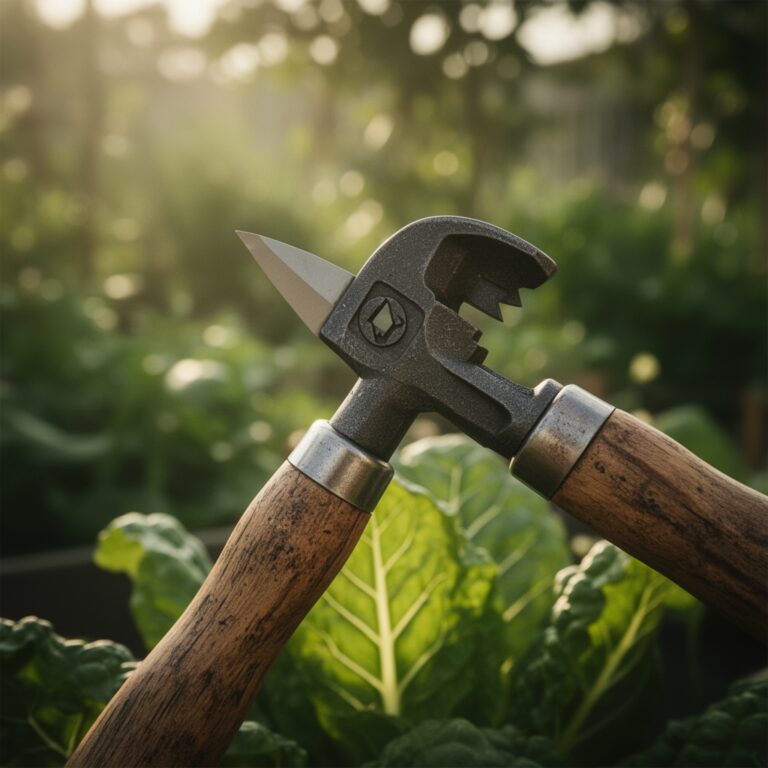
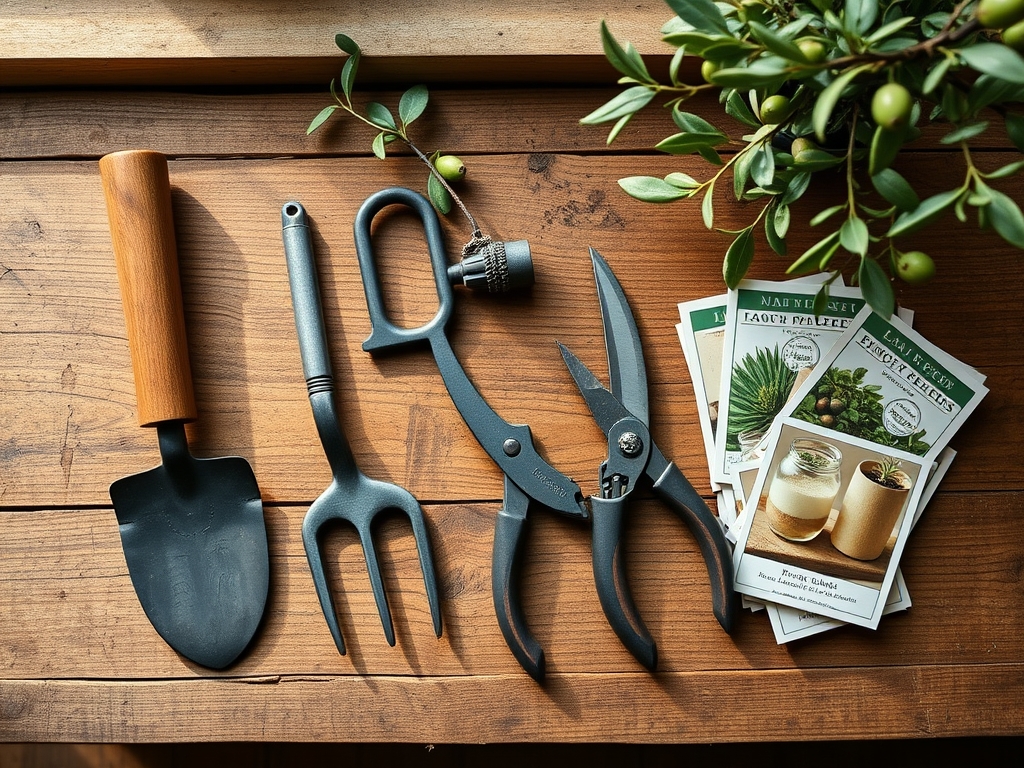
When executing the Steps for pruning an indoor olive tree, utilize high-quality bypass pruners for clean cuts that do not crush the vascular cambium. For thicker branches, a hori-hori knife can be used to clean the edges of a cut. Always prune at a 45-degree angle just above a node to prevent water from pooling on the wound. Remove the "Three Ds": dead, damaged, and diseased wood. Thin out the center of the canopy to allow light to reach the interior leaves, preventing the senescence of inner foliage.
The Yield:
If your indoor tree produces fruit, harvesting occurs when the drupes transition from green to straw-colored or black. This usually happens in late autumn. Hand-pick the olives to avoid bruising the delicate skin. For post-harvest longevity, store the fruit in a cool, dark environment at 40 to 50 degrees Fahrenheit. If the tree is strictly ornamental, remove the flowers before they set fruit to conserve the plant's nitrogen and carbohydrate reserves for leaf production.
FAQ:
How often should I prune my indoor olive tree?
Perform structural pruning once annually in late winter. Light maintenance, such as pinching back new growth to maintain shape, can be done throughout the spring and summer growing seasons to manage the tree's size.
What is the best fertilizer for indoor olives?
Use a water-soluble fertilizer with a 20-10-10 NPK ratio during the growing season. Ensure it contains trace minerals like zinc and manganese. Reduce feeding frequency by half during the winter months when the tree's metabolic rate slows.
Why are the leaves on my olive tree turning yellow?
Yellowing, or chlorosis, is often a sign of nitrogen deficiency or overwatering. Check the soil moisture levels first. If the soil is dry, apply a high-nitrogen fertilizer to restore chlorophyll levels and promote healthy photosynthesis.
Can I prune an olive tree back to bare wood?
Yes; olives are resilient and possess dormant buds beneath the bark. However, heavy "hard" pruning should only be done on healthy, established trees. Always leave some foliage to maintain the tree's ability to produce energy through photosynthesis.