8 Steps to Prepare Your Backyard for a Sturdy Garden Trellis
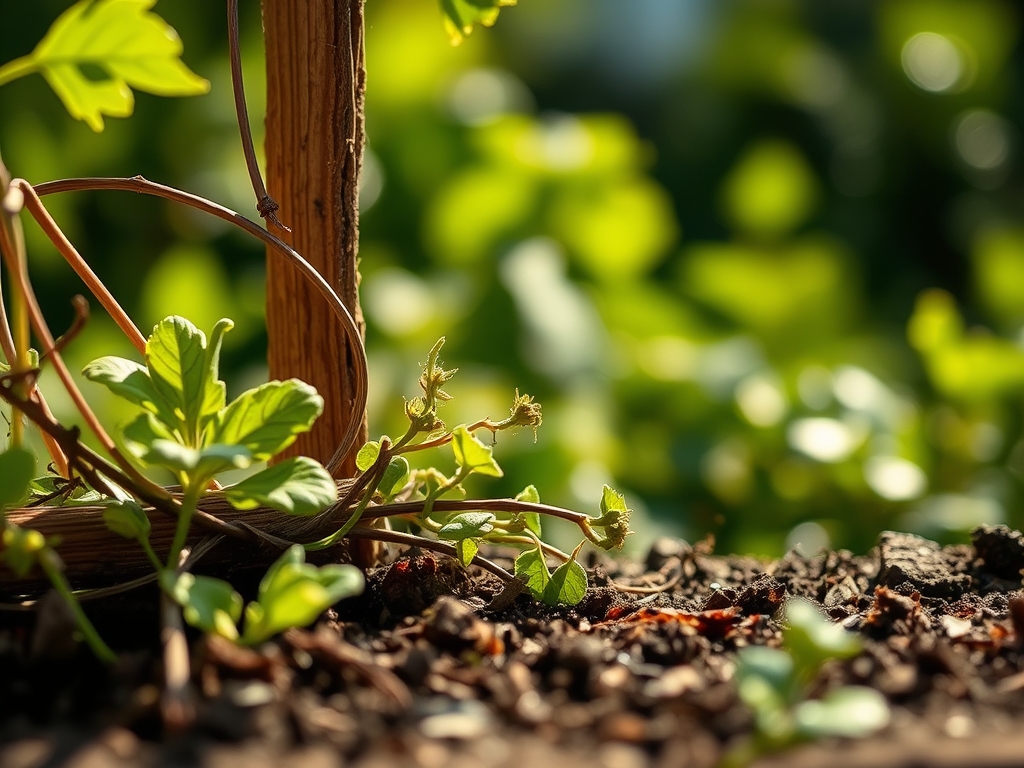
The scent of damp, anaerobic mud transitioning into aerobic, earthy humus signals a soil profile ready for high-intensity vertical production. Success begins with the structural integrity of the rhizosphere and the turgor pressure of the vascular system. To maximize vertical yields, you must master how to prepare a garden for a trellis by optimizing the physical and chemical properties of the substrate. This process requires more than driving stakes into the ground; it demands an understanding of soil mechanics and plant physiology. A trellis serves as a skeletal extension for the plant, allowing for increased airflow and concentrated photosynthetic activity. Without a foundation of high Cation Exchange Capacity (CEC) and structural stability, the vertical load will collapse under the weight of ripening fruit or dense foliar biomass. You are building an engineering site where the biological and the mechanical intersect.
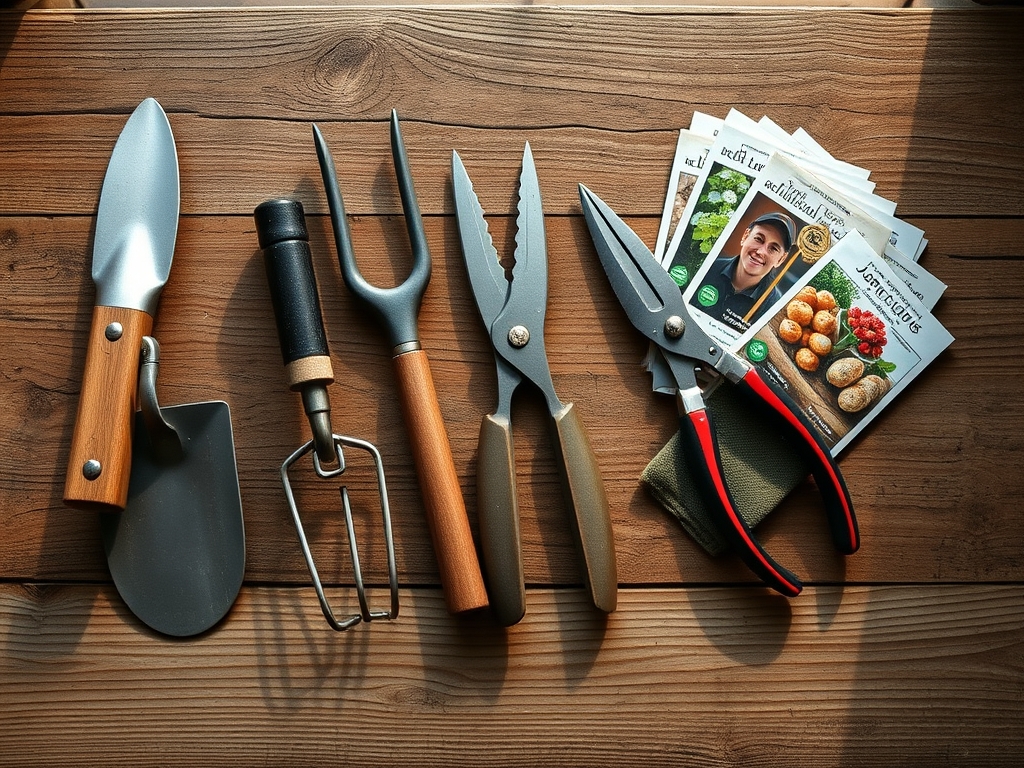
Materials:
The ideal substrate for a trellised system is a **friable loam** with a bulk density between **1.1 and 1.3 grams per cubic centimeter**. This density allows for rapid root penetration while maintaining sufficient pore space for oxygen diffusion. The soil pH must be calibrated to **6.2 to 6.8** to ensure maximum bioavailability of macronutrients.
For the initial soil amendment, utilize a balanced NPK ratio of 10-10-10 for general establishment, or a 5-10-15 ratio if you are prioritizing root development and structural lignification in woody climbers. High phosphorus levels (the middle number) are essential for ATP production and cellular energy transfer during the early growth stages. Ensure your organic matter content sits at a minimum of 5 percent to bolster the CEC, which allows the soil to hold onto positively charged ions like Calcium (Ca2+) and Magnesium (Mg2+).
Timing:
In USDA Hardiness Zones 5 through 7, the window for trellis preparation opens 21 to 30 days before the average last frost date. This allows the soil to settle and the microbial community to stabilize after any mechanical disturbance. The biological clock of the plant is governed by the photoperiod and soil temperature. Most vining crops require a consistent soil temperature of 65 degrees Fahrenheit for optimal germination and nitrogen fixation.
The transition from the vegetative stage to the reproductive stage is a critical inflection point. If the trellis is not positioned before the plant reaches 12 inches in height, you risk damaging the root hairs during installation. Early placement ensures that as the plant enters its rapid elongation phase, the tendrils can immediately utilize the support structure, reducing the energy expenditure required for the plant to find a vertical axis.
Phases:
Sowing and Site Preparation
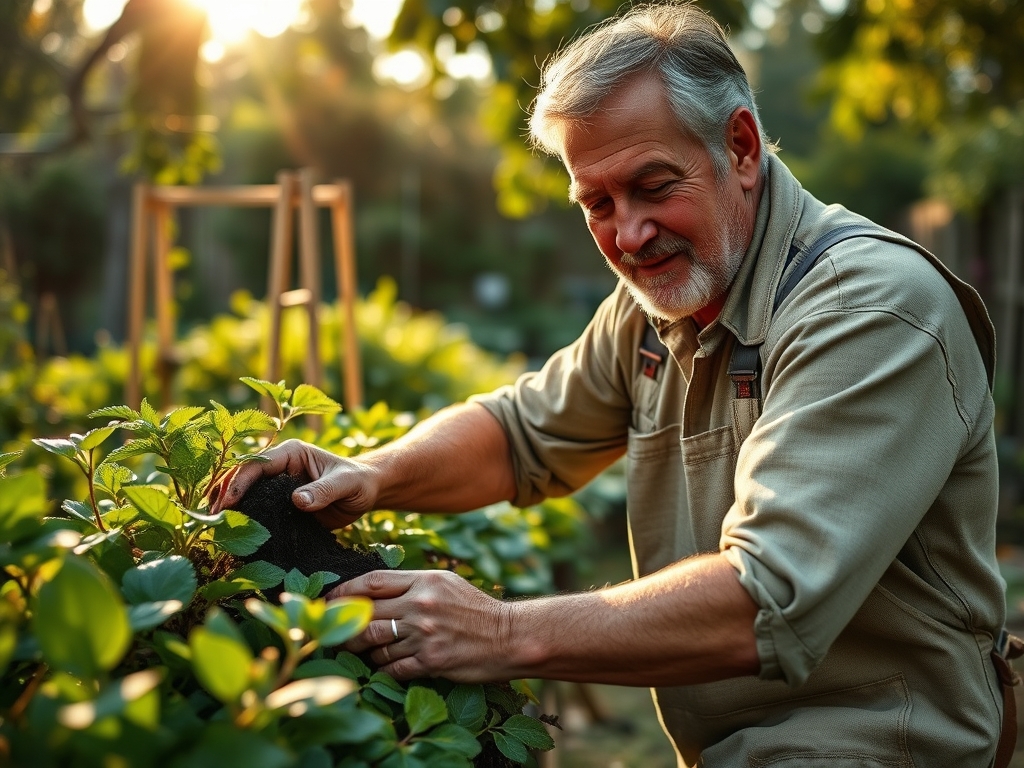
Clear all competitive vegetation within a 24 inch radius of the trellis footprint. Use a hori-hori knife to slice through stubborn taproots. Excavate a trench 12 inches deep and incorporate well-rotted compost. This creates a nutrient-dense "launchpad" for the primary root system.
Pro-Tip: Mycorrhizal fungi inoculation during sowing increases the effective root surface area by up to 1,000 times. This mycorrhizal symbiosis facilitates the uptake of immobile nutrients like phosphorus in exchange for plant-derived sugars.
Transplanting into the Vertical Zone
When moving seedlings from flats to the trellis base, ensure the root ball is saturated to maintain turgor pressure. Set the plant at the same depth it occupied in the container to avoid stem rot. Firm the soil gently to remove large air pockets that can desiccate delicate root hairs.
Pro-Tip: Strategic placement of the trellis relative to the sun exploits phototropism. By orienting the trellis on a North-South axis, you ensure both sides of the vertical canopy receive equal solar radiation, preventing "blind spots" in the lower foliage.
Establishing the Lead Shoots
As the primary leader emerges, it may require manual guidance. Use soft garden twine to loosely secure the main stem to the lowest rung of the trellis. Do not overtighten; the stem must have room for secondary xylem growth as it thickens.
Pro-Tip: Removing the first few lateral buds encourages apical dominance. This process, driven by auxin suppression, forces the plant to channel its energy into upward vertical growth rather than premature bushy spreading.
The Clinic:
Physiological disorders often manifest as visual cues in the foliage or fruit.
Symptom: Interveinal chlorosis on older leaves (yellowing between green veins).
Solution: This indicates a Magnesium deficiency. Magnesium is the central atom in the chlorophyll molecule.
Fix-It: Apply a foliar spray of magnesium sulfate at a rate of 1 tablespoon per gallon of water.
Symptom: Blossom end rot (dark, leathery spots on the base of fruit).
Solution: This is a Calcium transport issue, often caused by inconsistent moisture levels rather than a lack of soil calcium.
Fix-It: Stabilize the moisture regime and ensure the soil pH is above 6.0 to facilitate calcium ion uptake.
Symptom: Stunted growth with purple-tinted undersides of leaves.
Solution: Phosphorus deficiency, common in cold soils where microbial activity is sluggish.
Fix-It: Use a water-soluble high-phosphorus starter fertilizer to bypass the need for microbial mineralization.
Maintenance:
Precision irrigation is the backbone of vertical gardening. Provide 1.5 inches of water per week delivered directly to the drip line. Avoid overhead watering to prevent the proliferation of fungal spores in the dense canopy. Use a soil moisture meter to verify that the moisture has penetrated to a depth of 8 inches.
Pruning is mandatory for airflow. Use bypass pruners to remove any foliage showing signs of senescence (aging and yellowing). This reduces the "sink" for nutrients and focuses resources on the "source" (active photosynthetic leaves and developing fruit). Check the tension of your trellis wires monthly; a fully loaded vine can exert hundreds of pounds of downward force.
The Yield:
Harvesting from a trellis requires a "cut, don't pull" philosophy. Use sharp snips to sever the peduncle (fruit stem) without jarring the main vine. For maximum "day-one" freshness, harvest during the cool hours of early morning when the plant is at maximum turgor.
Once the fruit is removed, the plant enters a metabolic shift. For indeterminate varieties, this harvest triggers the development of new flowers. For determinate crops, it signals the beginning of the end of the life cycle. Post-harvest, keep the produce in a high-humidity environment at 45 to 55 degrees Fahrenheit to slow the rate of respiration and preserve cellular structure.
FAQ:
How deep should trellis posts be buried?
Posts should be buried at least 24 inches deep or one-third of their total height. For heavy crops like melons, use concrete footings to prevent the structure from leaning due to soil saturation or high winds.
What is the best NPK ratio for vining flowers?
Use a 15-30-15 ratio. The high phosphorus content triggers the reproductive phase, while the nitrogen maintains the vegetative biomass needed to support the blooms. Apply every 14 days during the peak growing season.
Can I reuse a trellis site every year?
Crop rotation is essential to prevent pathogen buildup in the rhizosphere. If you must reuse the site, replace the top 6 inches of soil and solarize the area for 4 weeks during the peak of summer.
How do I stop the trellis from rusting?
Select galvanized steel or powder-coated aluminum. If using untreated wood, choose rot-resistant species like cedar or black locust. Avoid pressure-treated lumber near edible crops to prevent the leaching of heavy metals into the soil.
What is the ideal spacing for trellis plants?
Space large vining plants like squash 24 to 36 inches apart. Smaller climbers like peas can be spaced at 2 to 4 inches. Proper spacing ensures adequate gas exchange and reduces the risk of powdery mildew.