7 Steps to Install a Backyard Garden Arbor for Vining Plants
Damp earth yields to the pressure of a boot while the metallic scent of oxidized minerals rises from the disturbed topsoil. High turgor pressure in a healthy vine ensures the plant stands rigid against its support; without a structural framework, these heavy biomass producers collapse into a tangled mat on the rhizosphere. Master the technical steps for installing a garden arbor to transition your landscape from a chaotic ground cover to a vertical powerhouse of photosynthetic efficiency. This installation requires more than aesthetic placement. It demands an understanding of load bearing, soil stability, and the specific physiological needs of climbing species. Proper anchoring prevents structural failure during peak vegetative growth when the arbor must support hundreds of pounds of water-heavy foliage and fruit. By following a rigorous engineering protocol, you ensure that the vascular systems of your plants remain uncompromised by wind shear or sagging crossbeams.
Materials:
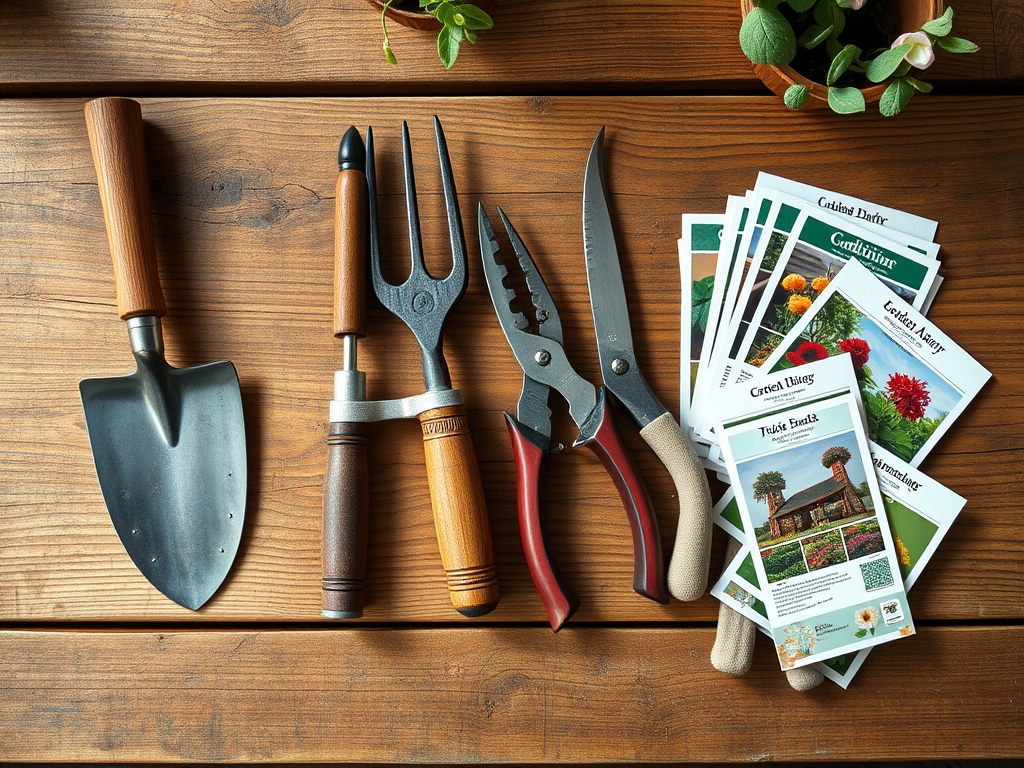
The success of your arbor depends on the substrate surrounding its footings. You require a **friable loam** with a granular structure that allows for rapid drainage while maintaining a **Cation Exchange Capacity (CEC) of 15 to 25 milliequivalents per 100 grams**. Before digging, test the soil pH; most woody vines thrive in a range of **6.0 to 7.0**. For the backfill around the planting site, prepare a nutrient-dense amendment with an **NPK ratio of 5-10-5** to prioritize root development over immediate leaf flush. You will need four pressure-treated 4×4 posts, fast-setting concrete, a level, and galvanized hardware. For the plants, secure a high-quality mycorrhizal inoculant to enhance nutrient uptake through symbiotic fungal networks.
Timing:
Timing the installation is critical to avoid disrupting the biological clock of your selected species. In Hardiness Zones 5 through 7, the ideal window for installation and planting is late winter or early spring, approximately four to six weeks before the average last frost date. This period aligns with the plant's transition from dormancy to the vegetative stage. Installing the structure while the plant is in a state of low metabolic activity prevents transplant shock. For those in Zones 8 through 10, autumn installation is preferred to allow root establishment before the high-evapotranspiration demands of summer. Monitor the soil temperature; ensure it has reached a consistent 50 degrees Fahrenheit (10 degrees Celsius) before introducing sensitive root balls to the site.
Phases:
Sowing and Site Prep
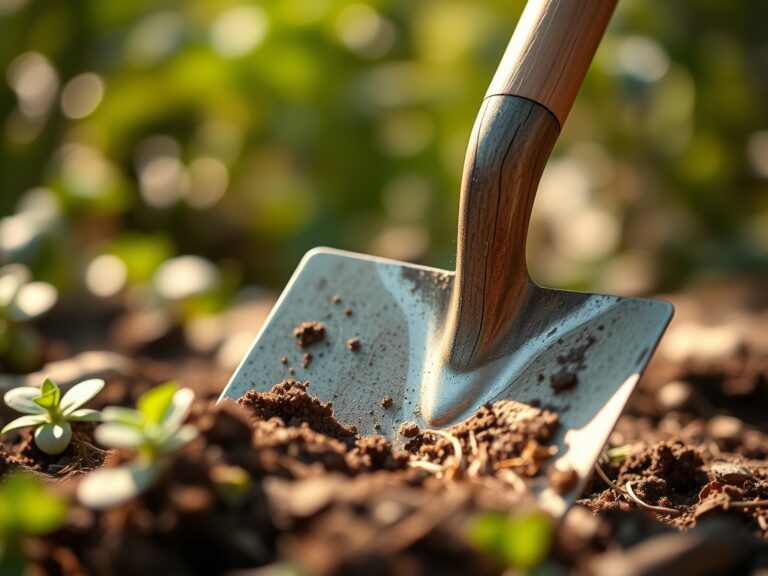
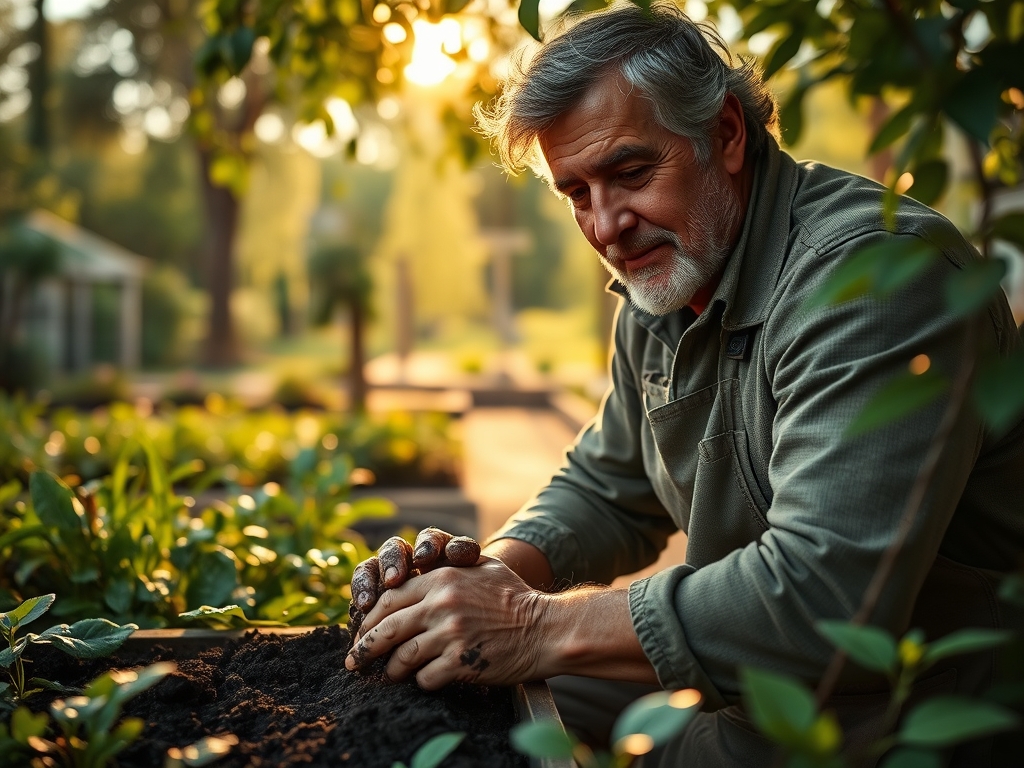
Excavate holes to a depth of 24 to 36 inches, ensuring you reach below the local frost line to prevent heaving. The width should be three times the diameter of the post. Level the bottom of the hole and add 3 inches of all-purpose gravel for drainage.
Pro-Tip: Proper drainage at the base prevents anaerobic conditions in the rhizosphere. Without oxygen, root cells cannot perform cellular respiration, leading to the accumulation of ethanol and eventual root rot.
Transplanting
Position the arbor and secure the posts with concrete. Once cured, dig a planting hole twice as wide as the root ball of your vine. Position the plant 2 inches away from the arbor base to allow for secondary thickening of the trunk. Backfill with the prepared friable loam, tamping down to eliminate air pockets.
Pro-Tip: Apply a layer of organic mulch but keep it 3 inches away from the main stem. This prevents excess moisture from sitting against the bark, which can lead to the degradation of the protective cambium layer.
Establishing
Direct the primary leaders toward the arbor using soft garden twine. Do not tie tightly; allow room for the vascular expansion of the xylem and phloem. Provide 2 gallons of water immediately to settle the soil and restore turgor pressure.
Pro-Tip: Use a light touch when training vines to exploit phototropism. By orienting the growing tips toward the light source, you harness the plant's natural auxin distribution, which regulates cell elongation and ensures the vine follows the structure efficiently.
The Clinic:
Physiological disorders often mimic disease but result from environmental or nutritional stress.
- Symptom: Interveinal Chlorosis. The leaves turn yellow while the veins remain green.
- Solution: This indicates a Manganese or Iron deficiency, often caused by a pH above 7.5. Apply a chelated micronutrient drench and adjust soil pH with elemental sulfur.
- Symptom: Leaf Scorching. Brown, crispy edges on new growth.
- Solution: High evapotranspiration rates are outpacing water uptake. Increase irrigation frequency and check for high soil salinity.
- Symptom: Flower Drop. The plant produces buds that fall before opening.
- Solution: This is often a Phosphorus deficiency or a result of extreme temperature fluctuations. Apply a 0-10-0 bone meal amendment to support reproductive development.
- Fix-It for Nitrogen Chlorosis: If the oldest leaves are turning a uniform pale yellow, the plant is scavenging nitrogen for new growth. Apply a high-nitrogen organic fertilizer like blood meal to restore chlorophyll density.
Maintenance:
Precision maintenance is the difference between a thriving vine and a dying one. Use a soil moisture meter to ensure the root zone remains consistently moist but not saturated. Most established vines require 1.5 inches of water per week delivered at the drip line. Use a hori-hori knife to remove deep-rooted weeds that compete for nutrients within the arbor's footprint. Pruning is essential for air circulation; use bypass pruners to remove any dead or crossing branches in late winter. This reduces the risk of fungal pathogens by increasing light penetration and airflow through the canopy. Monitor the structural integrity of the arbor annually; check for loose galvanized bolts or wood decay that could compromise the plant's support system.
The Yield:
If your arbor supports fruiting vines like grapes or hardy kiwi, harvest timing is determined by the Brix scale (sugar content). Use a refractometer to measure the dissolved solids in the fruit juice. For grapes, a Brix reading of 18 to 22 is typically the harvest window. Use sharp shears to cut the clusters; pulling them by hand can damage the fruiting spurs and the delicate skin of the fruit. To maintain "day-one" freshness, harvest in the early morning when the fruit is at its lowest temperature and highest turgor. Immediately move the harvest to a cool, shaded area to slow the rate of respiration and prevent the degradation of sugars.
FAQ:
How deep should I set the arbor posts?
Set posts at least 24 to 36 inches deep. In colder climates, you must bury the footings below the local frost line to prevent the soil from pushing the structure out of the ground during freeze-thaw cycles.
What is the best soil for climbing vines?
Vines require a friable loam with a pH between 6.0 and 7.0. The soil should have a high Cation Exchange Capacity to ensure the plant can access essential macronutrients like Nitrogen, Phosphorus, and Potassium during peak growth.
When should I prune vines on an arbor?
Prune most woody vines during late winter dormancy. This prevents sap loss and allows you to see the structure of the vine without foliage. It also stimulates a vigorous flush of new growth once spring temperatures rise.
How do I prevent the arbor from rotting?
Use pressure-treated lumber or cedar and ensure the base of the posts is set in gravel for drainage before pouring concrete. Keep mulch and organic debris away from the wood to prevent moisture retention and fungal decay.