8 Best Low-Maintenance Plants for Successful Yard Design
The scent of damp, anaerobic decomposition signals a soil in distress; conversely, the earthy, sweet aroma of actinomycetes indicates a thriving rhizosphere. Successful landscaping begins with the cellular integrity of the foliage. When turgor pressure is optimal, the cell walls of your specimens remain rigid and upright. Selecting the best plants for yard design requires more than aesthetic preference. It demands an understanding of botanical physiology and site specific variables. You must match the metabolic needs of the species to the chemical profile of your local geology.
High performance landscapes are built on a foundation of low maintenance perennials that exhibit high stress tolerance and efficient nutrient uptake. These plants must survive fluctuations in soil moisture and temperature without constant human intervention. By selecting species with deep taproots or extensive fibrous root systems, you reduce the need for supplemental irrigation. The goal is to establish a self sustaining ecosystem where the plants reach a state of equilibrium with their environment. We will focus on eight species that provide maximum structural impact with minimal caloric expenditure from the gardener.
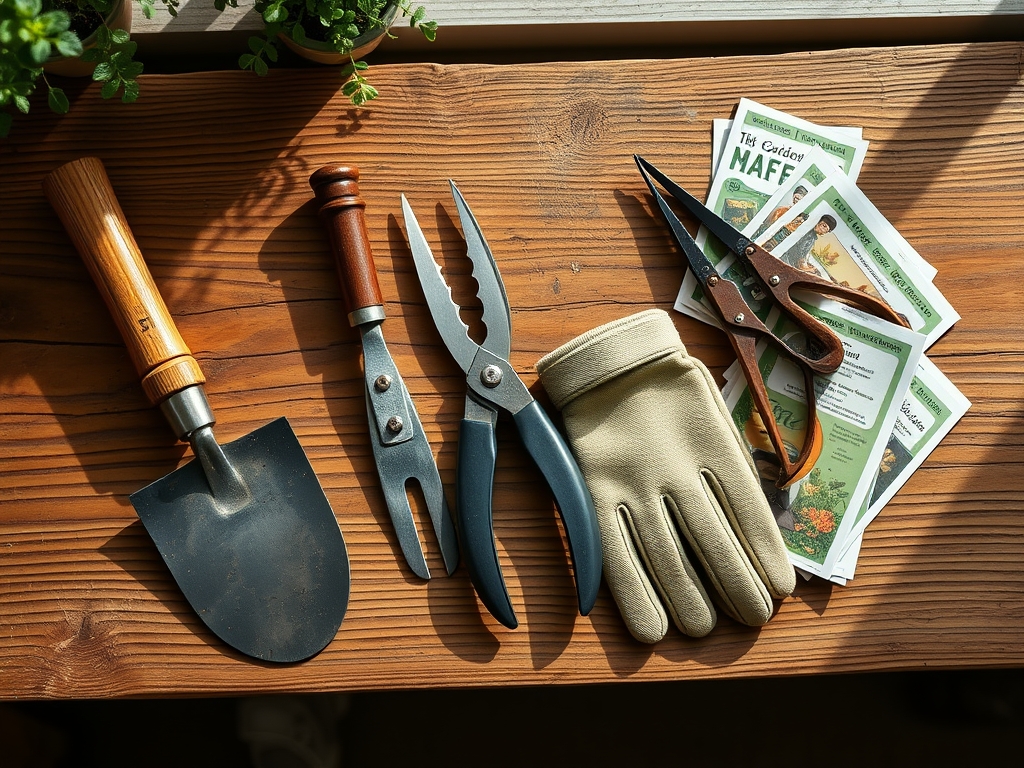
Materials:
The success of your installation depends on the Cation Exchange Capacity (CEC) of your substrate. A friable loam with a 40 percent sand, 40 percent silt, and 20 percent clay ratio provides the ideal balance of drainage and nutrient retention. Most low maintenance selections thrive in a pH range of 6.0 to 7.0, which ensures that essential micronutrients like iron and manganese remain bioavailable.
For the initial establishment phase, utilize a balanced NPK ratio of 10-10-10 to support both root development and vegetative growth. Once established, shift to a lower nitrogen formula such as 5-10-10 for flowering species to prevent excessive succulent growth that attracts sap sucking insects. Use a soil moisture meter to ensure the substrate remains at a consistent 20 to 30 percent volumetric water content during the first six weeks of growth.
Timing:
Hardiness Zones 4 through 9 represent the primary theater for these selections. The "Biological Clock" of a plant is governed by the photoperiod and soil temperature. You must initiate planting when the soil temperature consistently reaches 55 degrees Fahrenheit. This thermal threshold triggers the transition from dormancy to active metabolic state.
Planting should occur at least six weeks before the first projected frost date in autumn or after the last frost in spring. This window allows the root system to colonize the surrounding soil before the plant enters senescence. During the vegetative stage, the plant focuses on carbon fixation and biomass production; if the timing is off, the plant may prematurely enter its reproductive stage, leading to stunted growth and poor structural development.
Phases:

Sowing and Selection
Select specimens that exhibit high vigor and no signs of root binding. If the roots are circling the nursery pot, the plant is already experiencing stress. Use a hori-hori knife to gently tease the roots outward before placement.
Pro-Tip: Proper root orientation prevents "girdling," where roots eventually strangle the main stem. This is driven by thigmotropism, the plant's response to physical contact, which can cause roots to continue their circular growth pattern even after being placed in open soil.
Transplanting
Dig a hole twice as wide as the root ball but no deeper. The crown of the plant must sit exactly at the soil line. Deep planting leads to stem rot; shallow planting leads to root desiccation. Backfill with native soil to maintain a consistent texture and prevent "bathtub effect" where water pools in a hole filled with lighter potting mix.
Pro-Tip: Inoculate the planting hole with mycorrhizal fungi. This creates a symbiotic relationship that effectively increases the root surface area by up to 100 times, enhancing phosphorus uptake and drought resistance.
Establishing
During the first growing season, the plant requires 1.5 inches of water per week delivered directly to the drip line. Avoid overhead irrigation to minimize the risk of fungal pathogens on the leaf surface. Mulch with 2 inches of organic matter to regulate soil temperature and suppress weed competition.
Pro-Tip: Apply a light application of kelp meal to stimulate auxin production. Auxins are hormones that promote downward root elongation, ensuring the plant can access deeper water reserves during the heat of midsummer.
The Clinic:
Physiological disorders often mimic disease but are usually the result of environmental or nutritional stress.
- Symptom: Interveinal chlorosis (yellowing between green veins) on new growth.
Solution: This indicates an Iron deficiency, often caused by a pH above 7.5. Lower the pH using elemental sulfur.
2. Symptom: Marginal leaf burn or browning of leaf edges.
Solution: This is often "Scorch," caused by high transpiration rates exceeding the roots' ability to supply water. Increase mulch depth and check for soil compaction.
3. Symptom: Stunted growth with purple or reddish tinting on the underside of leaves.
Solution: Phosphorus deficiency. This is common in cold, wet soils where phosphorus becomes chemically "locked." Apply a high phosphorus starter fertilizer.
4. Symptom: General yellowing of older, lower leaves while new growth remains green.
Solution: Nitrogen chlorosis. The plant is mobilizing nitrogen from old tissue to support new growth. Apply a quick release nitrogen source like blood meal.
Maintenance:
Precision maintenance extends the lifespan of your yard design. Use bypass pruners for clean cuts that heal quickly; anvil pruners often crush the vascular tissue (xylem and phloem), creating an entry point for pathogens.
Pruning should be done during the dormant season for most species to minimize sap loss. For flowering shrubs, prune immediately after the bloom cycle to avoid cutting off next year's buds. Maintain a 3 inch gap between the mulch and the plant stem to prevent crown rot. Regularly calibrate your irrigation system using a soil moisture meter to ensure you are not overwatering, which leads to root asphyxiation in heavy clay soils.
The Yield:
For ornamental grasses and flowering perennials like Echinacea or Sedum 'Autumn Joy', the "yield" is the visual structure and seed heads. Do not cut back these plants in the late fall. Allow the dried stalks to remain through winter. This provides thermal protection for the crown and serves as a habitat for beneficial insects.
When you do harvest flowers for indoor use, cut them in the early morning when turgor pressure is at its peak. Use a sharp blade and immediately submerge the stems in 110 degree Fahrenheit water. This "hardening off" process removes air bubbles from the xylem, ensuring the flowers remain upright for a longer duration.
FAQ:
What is the best soil for low maintenance plants?
A well draining, friable loam with a pH of 6.5 is ideal. It should have at least 5 percent organic matter to support microbial activity and maintain a high Cation Exchange Capacity for nutrient delivery.
How often should I water established yard plants?
Established plants typically require 1 inch of water every 10 to 14 days during dry periods. Use a soil probe to check moisture levels at a depth of 6 inches before applying supplemental irrigation.
When is the best time to prune perennials?
Most perennials should be pruned in late winter or early spring before new growth emerges. This allows the plant to direct all its stored energy into new vegetative shoots rather than maintaining old tissue.
How do I fix yellowing leaves?
Identify if the yellowing is on new or old growth. New growth yellowing usually requires micronutrients like Iron, while old growth yellowing typically signals a Nitrogen deficiency. Adjust soil pH to ensure these nutrients are available.