6 Identification Steps to Treat Iron Deficiency in Houseplants
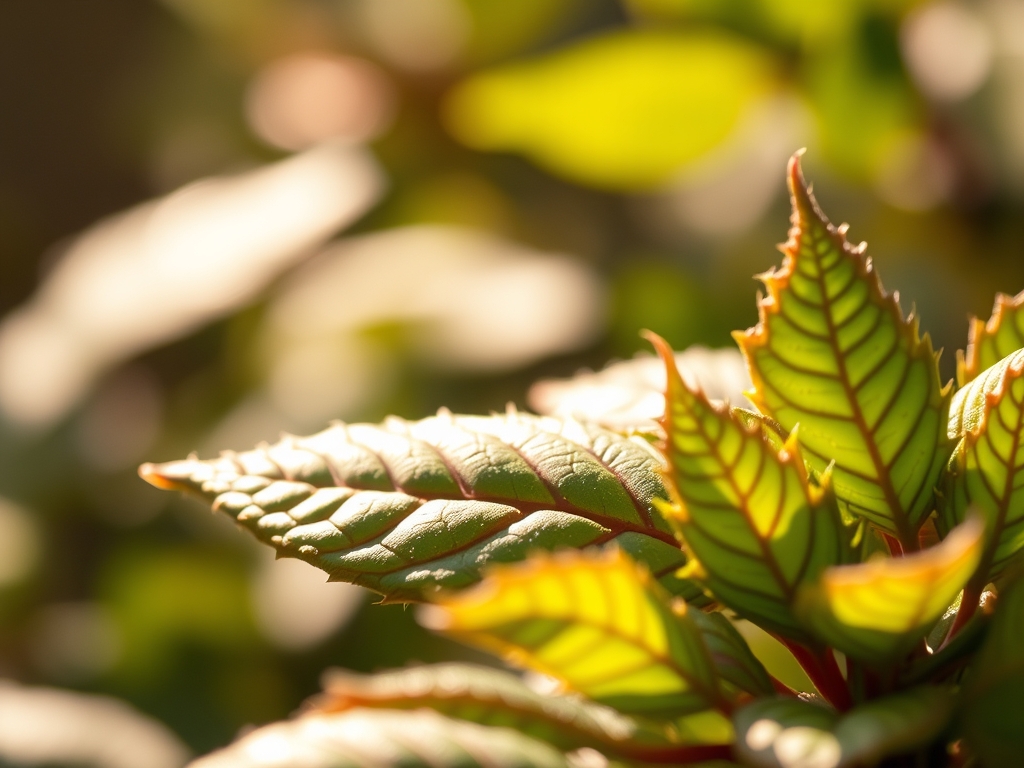
The smell of damp, oxygenated earth and the firm turgor of a hydrated leaf define a healthy indoor ecosystem. When a plant loses its ability to synthesize chlorophyll due to a lack of bioavailable iron, the visual decline is rapid and diagnostic. Identifying the precise steps for treating iron deficiency in houseplants requires an understanding of soil chemistry and vascular transport. You must act when the youngest leaves transition from deep emerald to a pale, sickly yellow while their veins remain starkly green.
Iron chlorosis is rarely a result of a total absence of iron in the substrate. Instead, it is usually a lockout caused by an alkaline rhizosphere or poor drainage that inhibits root respiration. As a soil scientist, I look for the metabolic breakdown of the plant's photosynthetic machinery. Without iron, the plant cannot produce the enzymes necessary for energy conversion. This guide provides the technical framework to diagnose, intervene, and stabilize your collection through precise horticultural adjustments.
Materials:

Successful remediation begins with the substrate. You require a friable loam consisting of 40 percent peat or coco coir; 30 percent perlite for aeration; and 30 percent composted organic matter. This structure ensures a high Cation Exchange Capacity (CEC), allowing the soil to hold onto positively charged ions like iron (Fe2+).
For fertilization, select a product with an NPK ratio of 5-10-5 for flowering species or 10-5-5 for foliage plants. High phosphorus levels can actually inhibit iron uptake; therefore, avoid "bloom booster" formulas if chlorosis is present. You must also secure chelated iron (EDDHA or EDTA). Chelated forms wrap the iron molecule in an organic coating, preventing it from reacting with other minerals and becoming insoluble in the soil. Maintain a soil pH between 5.5 and 6.5 to ensure maximum nutrient bioavailability.
Timing:
While houseplants exist in controlled environments, they still respond to the Biological Clock dictated by light intensity and duration. Most tropical species enter a high-metabolic vegetative state when the photoperiod exceeds 12 hours. This is the optimal window for treating deficiencies. If you reside in Hardiness Zones 8 through 11, your plants may never enter true dormancy, but they will still experience a growth slowdown during the winter months.
Treatments should be administered at the onset of the active growth phase. Applying heavy doses of chelated iron during senescence or winter dormancy can lead to salt accumulation in the rhizosphere. Monitor the transition from vegetative to reproductive stages. If a plant is attempting to push out new growth or flowers, its demand for iron increases significantly. Failure to provide it during this peak metabolic window will result in permanent stunting of the new foliage.
Phases:

Sowing and Initial Media Preparation
The foundation of iron management starts at the seedling stage. Use a sterile, soilless mix with a pH of 5.8. Ensure the media is pre-moistened to prevent hydrophobic pockets that can cause localized nutrient lockout.
Pro-Tip: Proper aeration in the media prevents anaerobic conditions that lead to root rot. When roots lack oxygen, they cannot perform the active transport required to pull iron molecules across the cell membrane. This is known as respiratory-driven nutrient uptake.
Transplanting and Root Management
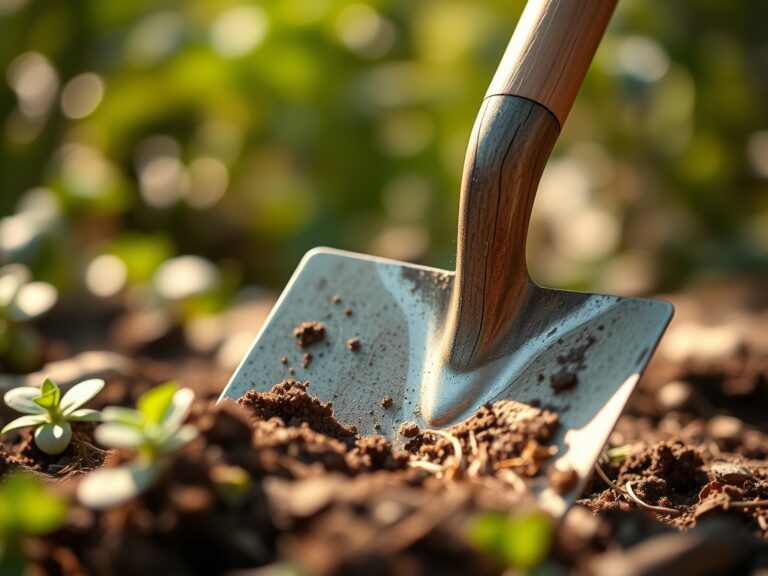
When moving a plant to a larger vessel, inspect the root architecture. Use a hori-hori knife to tease out circling roots. This physical stimulation encourages the production of fine root hairs, which are the primary sites for iron absorption. Ensure the new container has adequate drainage to prevent waterlogging.
Pro-Tip: Introducing mycorrhizal fungi during transplanting creates a symbiotic relationship where the fungi extend the root system's reach. This mycorrhizal symbiosis significantly increases the surface area for mineral extraction, particularly for immobile micronutrients like iron.
Establishing and Stabilizing
Once the plant is situated, apply a diluted solution of chelated iron. Observe the newest growth over a 14-day period. The interveinal areas should begin to darken as chlorophyll synthesis resumes. Do not over-prune during this phase; the plant needs every available square inch of leaf surface to generate energy for recovery.
Pro-Tip: Avoid removing the terminal bud during recovery. Maintaining apical dominance ensures that the plant directs its limited hormonal resources toward upward growth and vascular development, rather than wasting energy on lateral branching.
The Clinic:
Symptom: Interveinal Chlorosis on New Growth
Solution: This is the classic signature of iron deficiency. Because iron is an immobile nutrient, the plant cannot move it from old leaves to new ones. Apply iron sulfate or chelated iron as a soil drench. Adjust the water pH to 6.0 before application.
Symptom: Yellowing of Older Leaves (Nitrogen Deficiency)
Solution: Unlike iron, nitrogen is mobile. The plant will cannibalize its lower leaves to support new growth. Fix this by applying a high-nitrogen fertilizer with a ratio of 20-10-10. Ensure the soil temperature is above 65 degrees Fahrenheit for optimal uptake.
Symptom: Marginal Leaf Burn (Salt Accumulation)
Solution: Excessive use of synthetic fertilizers can lead to salt buildup, which mimics dehydration. Flush the substrate with distilled water equal to three times the volume of the pot. Use a soil moisture meter to ensure the core is fully saturated then allowed to dry appropriately.
Symptom: Stunted Growth and Purpling (Phosphorus Deficiency)
Solution: Low phosphorus inhibits ATP production. This often occurs in cold soils below 55 degrees Fahrenheit. Increase the ambient temperature and apply a water-soluble fertilizer with a high middle NPK number, such as 10-30-10.
Maintenance:
Precision is the hallmark of professional maintenance. For a standard 10-inch pot, provide 1.5 cups of filtered water twice weekly, or whenever the soil moisture meter reads below 30 percent at a 4-inch depth. Always apply water at the soil line to avoid wetting the foliage, which can encourage fungal pathogens.
Use bypass pruners to remove any foliage that has undergone more than 50 percent necrosis. These leaves are net energy drains. Every six months, use a hori-hori knife to gently probe the soil for compaction. If the soil feels dense, use the knife to create vertical aeration channels. This maintains the gas exchange necessary for the rhizosphere to function. Monitor the electrical conductivity (EC) of your runoff; an EC higher than 2.5 mS/cm indicates a need to leach the soil to prevent nutrient toxicity.
The Yield:
For those growing indoor citrus or herbs, the "yield" is the measure of success. Harvest herbs like basil or mint just before they reach the reproductive (flowering) stage to ensure maximum essential oil concentration. Use sharp snips to make a clean cut above a node to encourage branching.
To maintain "day-one" freshness, submerge the stems in 40-degree Fahrenheit water immediately after cutting. This rapid cooling halts the metabolic process of senescence and preserves turgor pressure within the cell walls. For fruit-bearing houseplants, harvest only when the fruit detaches with a slight tug, indicating that the abscission layer has fully formed.
FAQ:
How do I tell iron deficiency from magnesium deficiency?
Iron deficiency appears first on the newest leaves at the top of the plant. Magnesium deficiency is mobile and appears first on the older, lower leaves. Both show interveinal yellowing, but the location on the plant is the key diagnostic.
Can I use rusty nails in water to fix iron deficiency?
No. Iron oxide (rust) is not bioavailable to plants. It remains in a solid state that the roots cannot absorb. You must use chelated iron or iron sulfate which are soluble and chemically accessible to the plant's vascular system.
How quickly will my plant turn green again?
After applying chelated iron, you should see a shift in the color of the newest growth within 7 to 14 days. Existing yellow leaves may never fully recover their green color, but new foliage will emerge healthy and dark.
Why does high pH cause iron deficiency?
In alkaline soils (pH above 7.0), iron chemically bonds with calcium and magnesium to form insoluble compounds. Even if iron is present in the soil, the plant's roots cannot break these chemical bonds to absorb the nutrient.